
Breaking News
Justice Omotosho is Stupid, Idiot, Wicked and Foolish?” — A Nation Committing Contempt With Full Chest By Wale Ojo-Lanre, Esq

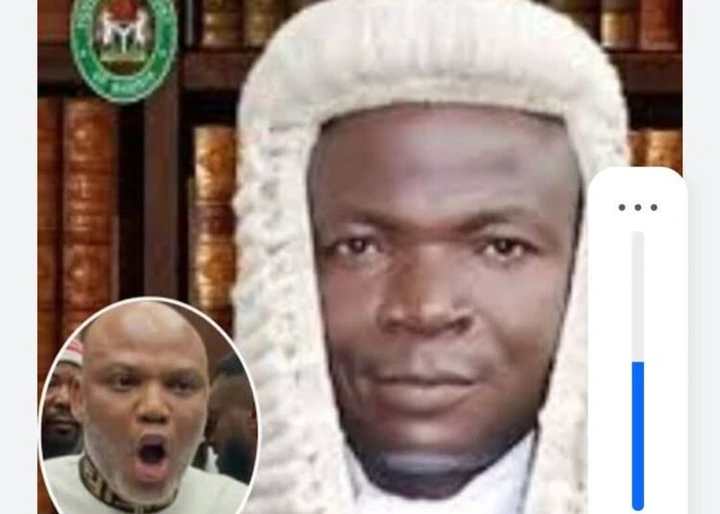
Nigeria is a magnificent theatre where everybody is an expert in everything. We manufacture Professors of Football on Mondays, Professors of Fuel Scarcity on Fridays, and Professors of National Problems every Sunday afternoon. But the moment a controversial judgment drops, a new academic discipline emerges: Senior Advocate of Social Media, SAN (SSM). Overnight, hundreds of thousands become constitutional scholars, criminal procedure analysts, and human rights theorists.
And their first “legal opinion” always begins with the same familiar chorus: “Justice Omotosho is stupid.” “Justice Omotosho is wicked.” “Justice Omotosho is foolish.” “Justice Omotosho is an idiot.” These declarations are made with the confidence of a man who owes nobody, the boldness of someone who has never seen a courtroom, and the recklessness of a person typing with one hand while stirring jollof rice with the other.
What these electronic freedom fighters do not realize is that the law they are mocking is not a comedian. The law does not have patience. The law does not understand vexation, nor does it read comments and smile. The law is a cold, unbothered stone. While everybody is shouting “Idiot!”, the law is whispering, “Section 133.” While they are typing “Stupid judge!”, the law is quietly asking, “How many months should we give this one?” While they are screaming “Wicked!”, the law is already tying its shoelaces and preparing for work. Yet Nigerians—fearless on keyboards, timid at police checkpoints—believe they are performing a national service by insulting a judge. The same people who tremble before LASTMA officers suddenly grow wings when faced with a Federal High Court judgment. The same men who beg NEPA officials for mercy dare the judiciary with the boldness of a man who inherited courage from his ancestors...TAP TO CONTINUE FULL READING.
But the Nigerian law is not vague. It is as clear as daylight in the Sahara. Insulting a judge is contempt. Scandalizing the court is contempt. Mocking a judicial officer is contempt. Call it foolishness, call it vibes, call it freedom of speech gone mad—by the time you finish explaining, the prison gate would have opened. Section 133 of the Criminal Code is waiting. Section 373 of the Penal Code is leaning on the wall. Order 35 of the Federal High Court Rules is polishing its shoes. And Nigerian case law is there clapping like an audience. Nwankwo v. State sends greetings. R v. Osoba waves from history. Okoduwa v. State nods in agreement. These cases all say the same thing: you cannot insult the judiciary and go home to eat pounded yam in peace.
And for anyone who thinks Nigeria is overreacting, let them examine the world they admire so much. In the UK, Gray insulted a judge—he slept in prison. In India, Arundhati Roy made one sharp statement—she spent a day in custody. Prashant Bhushan tweeted—he was convicted. In Singapore, Shadrake wrote one book—he earned six weeks behind bars. Canada too has its own collection of people whose mouths outran their wisdom. But Nigerians believe they have diplomatic immunity because they use MTN or GLO. They believe that as long as they hashtag their insults, they are protected by an invisible armour.
The courage Nigerians display when insulting Justice Omotosho evaporates when faced with ordinary officials. When fuel attendants cheat them, they whisper. When landlords increase rent, they sigh. When lecturers frustrate them, they mumble. But when a judge gives a ruling, they roar louder than an Ijebu generator. If insults could reverse a judgment, chaos would be our national anthem. Every litigant would insult their way to victory. Courts would become football fields. Judges would need helmets and shin guards. And Nigeria would not be a nation—it would be a WhatsApp group with no admin.
The irony is that the law does not care about their emotions. The law does not care about their tribal heat, political fever, or social media adrenaline. The law does not care how strongly they feel, how loudly they shout, or how passionately they insult. The law cares about one thing and one thing alone: Did you follow the process? Not did you rant? Not did you trend? Not did your followers clap for you? If you are dissatisfied with a judgment, the law gives you one route: appeal. Anything else is noise pollution.
So let those shouting “Justice Omotosho is stupid!” continue. Let those typing “foolish judge!” continue. Let those making TikTok videos continue. When contempt proceedings finally greet them like early morning harmattan breeze, let their retweets defend them. Let their Instagram followers argue their bail. Let their emojis stand as sureties. Because the courtroom has no respect for influencers, and prison does not grant bail because “I was just joking.”
The foolishness must stop. Let Nigerians be guided.
……Wale Ojo-Lanre Esq is a Senior Partner, Sun Natha Alade and Partners , 68 MKO Abiola Way Opposite Dikat Hotel Ring Road Ibadan Oyo State
👉 Are You A WhatsApp User? Do You Want To Get Our News As Fast As Possible On Daily Basis? 👉 Click This Link To Join WhatsApp Channel Now.

The Central Bank of Nigeria (CBN) has introduced new Bank Verification Number (BVN) rules effective from May 1, 2026, aimed at reducing fraud, especially SIM swap and identity theft cases. The regulations include stricter controls on phone number changes, age restrictions, device limits, and temporary account restrictions for suspicious activities. Here is a simple breakdown of what you need to know.
One phone number change in a lifetime – Customers can only change the phone number linked to their BVN once. Choose carefully.
24-hour watchlist for suspicious BVNs – Banks can temporarily restrict accounts flagged for suspicious activity while investigations are conducted.
BVN registration is now for adults only – Only individuals aged 18 and above can independently register for a BVN. Minors require guardian-linked arrangements.
One device per banking app – You can only use your banking app on one device at a time. Switching devices triggers a 24-hour transaction limit of N20,000.
Authorised channels only – BVN services are now limited to CBN-approved banks and financial institutions. Avoid third-party apps or unofficial agents.
The new rules may feel strict, but they are designed to protect your money and reduce fraud. Be more careful with your phone number, devices, and banking activities to avoid unnecessary restrictions...TAP TO CONTINUE FULL READING.
Sources: Nigerian Tribune
👉 Are You A WhatsApp User? Do You Want To Get Our News As Fast As Possible On Daily Basis? 👉 Click This Link To Join WhatsApp Channel Now.
Breaking News
‘Nigeria is a safe country’ Reno Omokri Tells Portuguese Ambassador Who Drives Nigeria Highways Without Escort, Calls Trips Safe
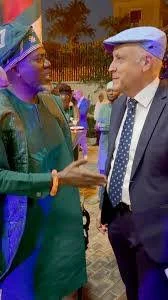
The Portuguese Ambassador to Nigeria has driven from Abuja to Bauchi and back without a security escort, describing the journeys as “very normal” and safe. Reno Omokri shared a video of the ambassador, praising Nigeria’s overall safety under President Tinubu. The ambassador also reportedly drove from Enugu to Abuja without incident. However, critics point to over 1,000 abductions since January 2026 and frequent highway kidnappings, questioning the safety claims.
Key Points:
Critics noted bandit attacks in Bauchi and other regions.
Many questioned why top Nigerian officials don’t take the same unescorted routes.
The ambassador acknowledged “some localized issues” but highlighted safety overall.
Over 1.5 million safe visitors to Lagos during the December holidays were cited.
Social media users expressed a divide between official accounts and citizens’ realities...TAP TO CONTINUE FULL READING.
The ambassador’s experience contrasts sharply with the lived reality of many Nigerians.
Sources: X
I Drove From Abuja To Bauchi And Back Without An Escort And It Was Safe-Paulo Santos, Portuguese Ambassador To Nigeria pic.twitter.com/GZmEJTHi0p
— Reno Omokri (@renoomokri) April 30, 2026
👉 Are You A WhatsApp User? Do You Want To Get Our News As Fast As Possible On Daily Basis? 👉 Click This Link To Join WhatsApp Channel Now.
More than 1,000 victims across 19 countries were defrauded of about $215 million in a sprawling business email compromise scheme, leading to convictions of Nigerian nationals, the US attorney’s office has said. Twenty-five defendants were convicted on April 24. Among them were four Nigerian nationals and five naturalised US citizens of Nigerian descent. The scheme involved hacking email accounts and crafting fraudulent payment requests.
Key Points:
Victims were located in the US, UK, Germany, UAE, Australia, and 14 other countries.
One victim’s business sent $2.7 million to a shell company account.
Seized items included luxury watches worth over $215,000 and a Georgia residence.
The FBI, US Postal Inspection Service, and Border Patrol conducted the investigation.
A Chicago-area money service business owner was a co-defendant...TAP TO CONTINUE FULL READING.
Each defendant’s sentence will be determined based on their role and criminal history.
Sources: The Cable, Punch
👉 Are You A WhatsApp User? Do You Want To Get Our News As Fast As Possible On Daily Basis? 👉 Click This Link To Join WhatsApp Channel Now.

 Breaking News8 months ago
World’s Youngest Undergraduate is Nigerian JOSHUA BECKFORD, gained admission in Oxford University at the age of Six years
 Breaking News6 months ago
JUST IN: Finally United States President Donald Trump Revokes 80,000 Visas of Nigerians, Other Foreign Nationals

 Breaking News8 months ago
BREAKING NEWS: Woman in Trouble For Burning 7-year-old Girl’s Private Parts With Hot Knife
 Breaking News8 months ago
BREAKING NEWS: FULL DETAILS! Top Secret Leaked Why SIM Fubara Fails to Return to Government House After Reinstatement

 Breaking News6 months ago
BREAKING NEWS: Nigerian Billionaire Lawmaker Ned Nwoko, Orders Arrest of His Mother In Law Regina Daniels’ Mother, Rita
 Breaking News8 months ago
BREAKING NEWS: Federal Government Releases Proof of N25,000 Cash Transfers to 71 Million Nigerians in 8.1 Million Households
 Breaking News8 months ago
BREAKING NEWS: Another Rivers Saga: Just Reinstated Fubara Told to Sack All Sole Administrators Appointees, Seek Tinubu’s Assurance Over Impeachment

 Breaking News8 months ago
BREAKING NEWS: Finally Department of State Services (DSS) summons Sowore over post on Tinubu