
Health-Lifestyle
5 studying habits that actually work


A new school year is approaching. Sometimes, it can be hard to get back into it. But a good way to go into the semester confidently is to know yourself, your limitations, and what forms of learning work best for you.
Though everyone has different learning styles, there are, psychologically, some universal truths on how to study effectively. Here are 5 studying habits that can help you succeed:
1. If you think you know everything without studying, that might be a bad sign.
We’ve all heard the truism “a little knowledge is a dangerous thing.” It turns out to have a psychological grounding behind it. The Dunning-Kruger Effect, first described in 1999, posits that individuals with very little knowledge or skill in a particular area tend to have the most confidence in it. As people gain more knowledge and become average at something, their confidence tends to decrease.
If they become truly exceptional or knowledgeable, their confidence will rise again, but even these people never have the level of confidence that newcomers have. It can also be because newcomers to a skill or field of study do not have the ability to judge whether they are good or bad at that thing. When you only learn a small amount about something, you have no glimpse into how complex it is.
2. Flashcards are better than re-reading notes.
Re-reading notes from a lecture is, scientifically, not a great way to study. Though it might help to look over your material when you start studying, it generally doesn’t work because it is a passive activity that doesn’t engage your brain. The best way to form and strengthen memories is to practice active recall, which forces your brain to retrieve information with little to no outside cues.
Flashcards, writing your own notes from scratch, or getting a friend to quiz you on materials, will force you into active recall. The more active recall you do, the easier it becomes; your brain will understand, through repetition, that this thing you recall so often is important.
3. Study in an environment similar to the one you take your tests in.
Studies show that the ability to recall memories depends a lot on context. Emotions, sensory input (like smells, sounds, or temperature), and location are most likely to trigger memories that happened in similar environments. A classic example of this is a study with multiple groups of scuba divers who all learned the same information (either underwater or on land) and were later tested on it.
The results showed that the scuba divers who learned and got quizzed in the same environment (regardless of whether that was on land or underwater) retained the information better than the divers who learned and quizzed in different environments.
The good part about this is that, as a college student, you probably already study in places similar to testing rooms, like libraries. However, if you think the place you study in has a drastically different environment from where you take tests, consider whether you might need a change of scenery.
4. Consider making visuals.
The picture-superiority effect suggests that people remember images more strongly than words, which may be because the brain stores images as the images themselves and the words tied to the images. For example, if you see a drawing of a tree, your brain encodes the image and the word “tree” into memory. But if you just read the word “tree,” the only thing encoded is the word.
Certain subjects, like anatomy or chemistry, work well for visuals. However, you can make visuals for any subject. Even if you study something more theoretical, mind maps, colour-coded information, or colourful charts and diagrams can help you organise and remember it.
5. Don’t overload yourself.
It’s better to have multiple study sessions over a long period of time, even if it’s just 10 minutes a day after each class at first, than “cramming” the night before. Sleeping well at night and eating breakfast in the morning will also help you pay attention and concentrate well during your test. Although I know that a lot of college students don’t do the last two things very often (I’m guilty of that myself), it really does help.
Do you have any study habits that work well? Let us know in the comments below!
👉 Are You A WhatsApp User? Do You Want To Get Our News As Fast As Possible On Daily Basis? 👉 Click This Link To Join WhatsApp Channel Now.

Washing your hair with cola could have great benefits. Do you dream of having beautiful hair, but does your hair not look as good in real life? If your hair is limp and dull, you should keep reading this article for this trick involving cola.
You’re not alone; many women have hair that lacks volume and shine. This is not surprising if you think about how we treat our hair. Washing, dyeing, straightening, and curling can cause damage. Luckily, there is a simple product that can help. You might already have a bottle of it in your fridge. Washing your hair with cola can make a big difference. We’re unsure if you’ll want to drink it after reading this, though.
Did you know cola is helpful for a lot of different things? You can use it to descale your tea kettle or to clean the toilet, for example. The popular beverage is so chemical that it can clean things. Who knew? You can also use it to remove chewing gum from your (or your children’s) hair. Just fill a bowl with cola, pop your piece of chewed gum in, and leave it for a while. You’ll be amazed at how easily you can get it out.
We can’t promise that this will work as well as some claim, but it’s worth trying if you want your hair to look fuller. Cola is said to make hair less limp and create a ‘messy’ look but in a good way. The high acidity level of cola closes and contracts the hair scales, which makes hair shine. Beauty vlogger Ellko tried the trick and is very satisfied with the results. You only need two small bottles of Coke and water to rinse it out again!
Check out the video for instructions!
👉 Are You A WhatsApp User? Do You Want To Get Our News As Fast As Possible On Daily Basis? 👉 Click This Link To Join WhatsApp Channel Now.
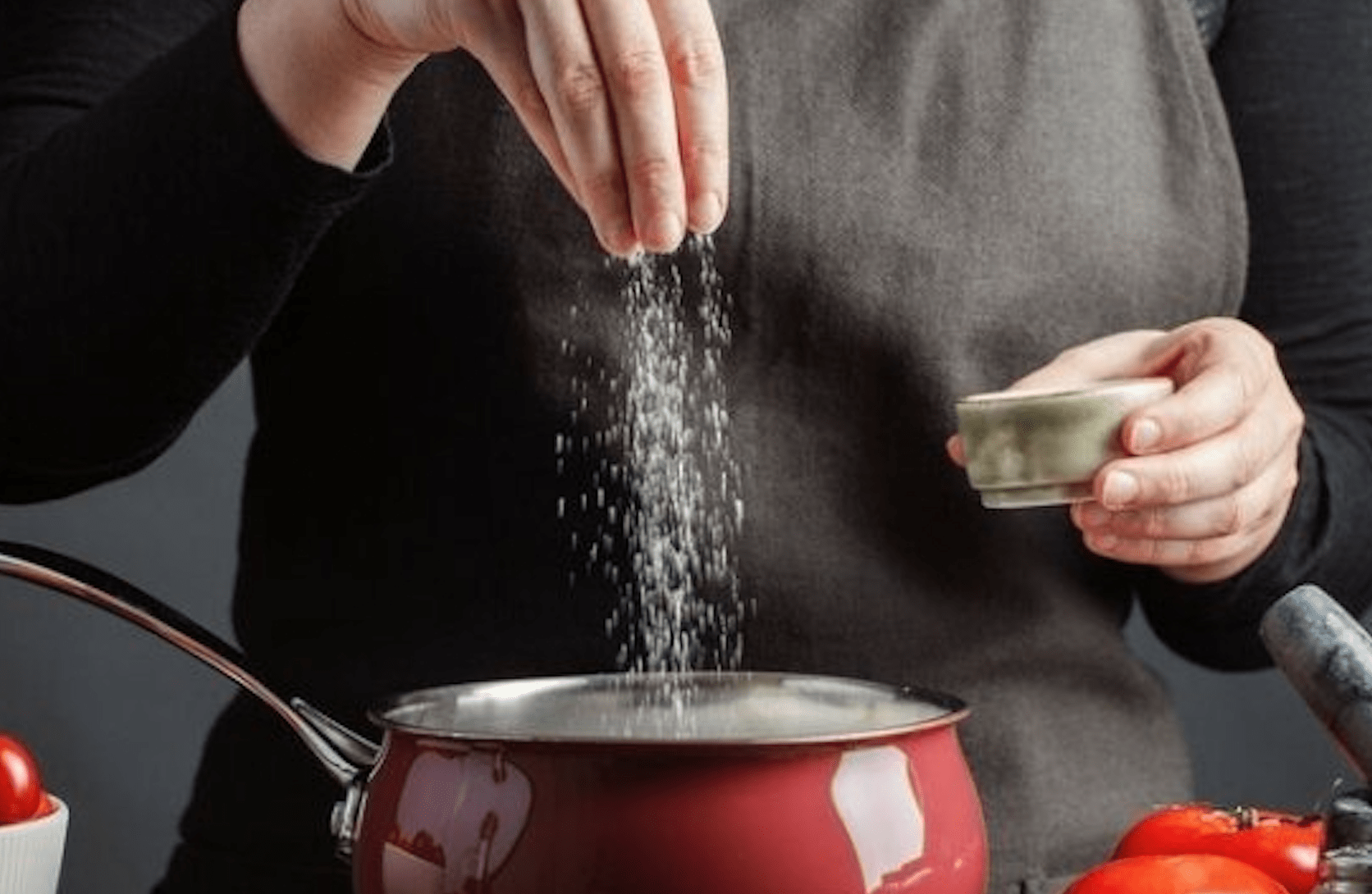
Too much salt can cause Alzheimer’s disease. How does the brain work if you eat a lot of salt?
Eating too much salt could be one of the causes of memory loss that is specific to Alzheimer’s disease, which is one of the most common forms of dementia. A new study shows that excess salt can affect blood flow to the brain and how our brain cells work.
In a study recently published in the journal Cell Reports, scientists explain how excessive salt consumption destroys the brain.
They used special brain scans to examine the hypothalamus, an important brain area that controls hormone balance, metabolism, body functions, and behavior. They found that people who ate a lot of salt had an unusual brain reaction.
When we eat a lot of salt, the brain tries to protect itself by controlling sodium levels in the blood. This causes the body to produce more of a hormone called vasopressin, which helps to keep sodium levels in the blood under control. Dr Javier Stern, a professor of neuroscience at the University of Georgia, explains this is very important.
Previous studies have suggested a possible link between neuronal activity and increased blood pressure. However, the researchers found that the activation of the neurotransmitters that determined the increased production of vasopressin triggered a decrease in blood circulation by narrowing the arteries in the brain.
We were surprised by the results because we had seen that blood vessels get narrower when people eat too much salt. This is often seen in patients with Alzheimer’s disease or after a heart attack or stroke. It’s like having your body always in a state of low oxygen, which slowly destroys brain tissue, the doctor explained.
The study raises important questions about how high blood pressure affects brain health, especially since more than half of cases of high blood pressure are linked to eating too much salt.
Foods that contain the most salt include cold cuts, pickles, canned goods, olives, smoked meats, marinated fish, cereals, bread, ketchup, soy sauce, mayonnaise, various vegetable seasoning mixes, chips, peanuts, popcorn, packet soups and multiple cheeses.
The recommended daily amount of salt is approximately 5 grams or one teaspoon. But if you’re over 50 or already have high blood pressure, congestive heart failure, chronic kidney disease, diabetes, or osteoporosis, you should limit your salt intake to just 1.5 – 2 grams/day.
👉 Are You A WhatsApp User? Do You Want To Get Our News As Fast As Possible On Daily Basis? 👉 Click This Link To Join WhatsApp Channel Now.
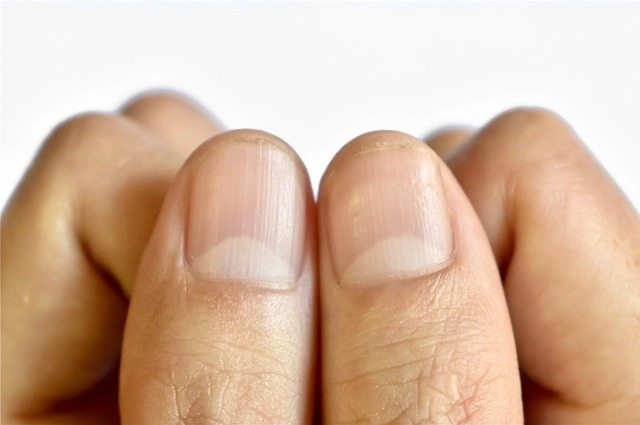
You can tell a lot about a person’s health by looking at their nails. It is a good sign if the lines on your nails are clear and easy to see. If the shape or color of the lunulae changes, it could indicate an internal health problem. The most important thing to look at is the organic semi-circular shape of this part of the nail.
Changes to the nail lunulae, such as a reduction in size, poor definition, unevenness, or color change, may indicate various health problems, including blood clotting disorders, liver disease, stomach disease, intestinal disease, hormonal imbalances, gynecological abnormalities, respiratory issues, nutritional and vitamin deficiencies, and circulatory problems.
By looking at changes in the color of the nail lunulae, we can get crucial medical information. Here are some of the things that can be highlighted:
If the lunulae are only slightly lighter than the skin, this indicates a healthy condition. However, white spots on the nails may signal heart problems. Yellow spots may indicate problems with blood flow to the brain, especially if accompanied by symptoms such as severe headaches or dizziness. Gray nails often indicate physical exhaustion or issues with nutrient absorption. Blue lunulae on the nails may indicate problems with copper metabolism.
Blue or purple hues indicate a lack of oxygen in the blood, typical for people with breathing problems or who snore at night. Red lunulae may indicate severe conditions, including heart failure, cirrhosis of the liver, or psoriasis, requiring careful analysis of accompanying symptoms. Black areas at the base of the nail may occur due to trauma, bruises, burns, or even gas poisoning.
No lunulae on nails: reasons there is nothing to worry about if you or your child do not have lunulae on their nails:
Modern doctors say that the absence or lack of lunulae may indicate problems with blood circulation;
However, it is impossible to judge the state of health solely by the appearance of the nails since an accurate diagnosis can only be made after a thorough examination by a qualified doctor;
The absence of lunulae on the nails does not always indicate diseases; sometimes, it is just part of the unique structure of the nail plate in certain people.
So, you should not try to treat yourself by taking medicine because you do not have the little lines on your nails. This does not always mean that you are unwell.
What do perfect nails look like?
The best nails are pink, firm, curved, and shiny, with a clear white area at the base (the lunula). If you have these signs, it means you have a lot of energy and are very healthy. The brightness and clarity of the lunula are a sign of the person’s energy. Having 8 to 10 of these on the hands is considered ideal. Our bodies are designed to work in harmony, and they can send signals about problems with specific organs through changes in the nails’ appearance, including the lunulae’s color and size. If you notice any strange changes to your nails, you should get medical help straight away. So, if you notice any unusual changes in your nails, don’t ignore them.
👉 Are You A WhatsApp User? Do You Want To Get Our News As Fast As Possible On Daily Basis? 👉 Click This Link To Join WhatsApp Channel Now.

 Breaking News8 months ago
World’s Youngest Undergraduate is Nigerian JOSHUA BECKFORD, gained admission in Oxford University at the age of Six years

 Breaking News6 months ago
JUST IN: Finally United States President Donald Trump Revokes 80,000 Visas of Nigerians, Other Foreign Nationals

 Breaking News8 months ago
BREAKING NEWS: Woman in Trouble For Burning 7-year-old Girl’s Private Parts With Hot Knife

 Breaking News8 months ago
BREAKING NEWS: FULL DETAILS! Top Secret Leaked Why SIM Fubara Fails to Return to Government House After Reinstatement

 Breaking News6 months ago
BREAKING NEWS: Nigerian Billionaire Lawmaker Ned Nwoko, Orders Arrest of His Mother In Law Regina Daniels’ Mother, Rita

 Breaking News8 months ago
BREAKING NEWS: Federal Government Releases Proof of N25,000 Cash Transfers to 71 Million Nigerians in 8.1 Million Households

 Breaking News8 months ago
BREAKING NEWS: Another Rivers Saga: Just Reinstated Fubara Told to Sack All Sole Administrators Appointees, Seek Tinubu’s Assurance Over Impeachment

 Breaking News8 months ago
BREAKING NEWS: Finally Department of State Services (DSS) summons Sowore over post on Tinubu