
Breaking News
We hid in church for one hour as bandits killed people outside – Nursing graduate


Ojo Abiola, a recent nursing graduate from the Kwara State College of Nursing, Oke Ode, speaks to TEMITOPE ADETUNJI about the terrifying bandit attack she witnessed in her school community on September 28, 2025
A TikTok video you posted recently went viral. I would like you to speak on what happened on that day you went to church?
That Sunday started like any other. I woke up early, got ready for church, and headed out as usual. In my church, I serve as the media team leader in my department, so I often arrive earlier than others to handle media setup, sound, camera, projector, and other technical arrangements.
That morning was supposed to be routine. Nothing suggested that the day would take such a tragic turn. However, the tension began the night before. On Saturday evening, a disturbing rumour spread across the community.
Saturday happened to be our regular market day, a period when buyers and sellers from different villages come together. Everything was moving normally until later in the evening when a commotion broke out.
People began running, whispering, and warning one another that ‘some guys’ were coming. In our area, the phrase ‘some guys’ almost always refers to dangerous groups, armed robbers, bandits, or violent criminals. These rumours are never taken casually because the community has experienced multiple attacks in the past.
There was a time when armed men invaded the community on a market day, shooting into the crowd and robbing people openly. Many traders lost goods, some were injured, and some died. There were also other incidents where traders returning from nearby villages were chased by armed men.
A young Igbo man in my church, who sells farm chemicals, once narrated how they were attacked on the road. They had to abandon their goods and run into the bush to save their lives. So, hearing a rumour like that on Saturday evening was enough to put the entire community on edge.
Are you saying the people in the community were already tense because of previous similar incidents?
Yes, people were already uneasy. The fear was not new. It had happened many times before. But that night, even though there was tension, nothing eventually happened. So, everyone simply returned to their homes and tried to continue life as usual.
On Sunday morning, I went to church early, around the time I normally arrived. I had barely settled in when everything changed. Just about 10 minutes after I got to the church, we suddenly heard loud gunshots—sharp, fast, intense gunshots—so close that it felt like the shooters were right at the church entrance. There was no time to think, no time to process anything. Everything happened instantly.
How did you and the others in the church react to this?
We immediately shut all the doors. Everyone who had already arrived for service remained inside. Panic broke out. My heart was racing. I remembered the rumour from the previous night and instantly knew this was not a false alarm. Something serious and dangerous was happening very close to us.
The gunshots continued for several minutes. People outside were running. You could hear chaotic movements. The church is located in a developing area surrounded by bushy paths, so we were terrified that the attackers could easily reach where we were hiding. We stayed indoors, fully locked in, for close to an hour.
During that time, I kept communicating with my neighbour on the phone. I asked if he knew what was happening or whether we were safe. No one had clear information. Everyone was afraid. The entire place was silent except for the distant sounds of people crying or running.
Eventually, after about an hour of complete silence, I decided to step out. Only my pastor, his family, and I were in the church at that point. Many other members had not yet arrived because the incident started before the normal service time.
What time did this incident happen?
It happened around 7:53 am. We were waiting for the bus that usually conveys members to church. The service had not even begun. The attack took place before typical church activities started.
When I stepped outside, the first thing I saw was a dead body lying on the pathway leading away from the church. I froze. I tried to speak, but my voice was shaky. From where our church is located, slightly elevated, you can see down to the main road. When I looked further, I saw two more persons lying motionless by the roadside. The sight stunned me.
People think they understand fear until they stand in front of death like that—sudden, unexpected, violent death. I was trembling.
Up until that moment, everything had felt like a rumour, like something happening somewhere else. But seeing those bodies made it painfully clear that the gunshots we heard were aimed at real people, right there in front of the church.
That must have been very shocking.
It was extremely shocking. I was shaking uncontrollably. I took out my phone and recorded a short video, not because of social media, but because I needed evidence for myself. Everything felt unreal. My brain couldn’t process what my eyes were seeing. I needed something to confirm later that I wasn’t mistaken—that the horror I witnessed actually happened.
When we stepped further outside, we saw soldiers approaching the area. There is usually a checkpoint at the entrance of the town with three soldiers on a normal day. But that morning, there were several more and some were not even in uniform. When we saw them, we raised our hands, and they signalled for us to move towards the gathering villagers.
By then, the attackers had already completed their mission and escaped.
Villagers were crying. Hunters and vigilantes were running around. Everyone was confused, terrified, and trying to understand what just happened. People started reporting what they had witnessed. That was when we heard that the Baale (traditional leader), Baale Ogba Ayo, had been killed. They also shot and killed a young man who was with him at the time. They kidnapped a man popularly known as Baba Gold, who works as a medical practitioner in the community, he has since been freed. Until we left the village of Oke Ode in Ifelodun Local Government Area on the 30th of September, 2025, we never went back there.
This incident happened exactly when?
It happened on September 28th.
Living in that environment, how has the constant threat of armed banditry and violence affected you?
Living in that environment has changed me deeply. Emotionally, I have been severely affected. Before the incident, I used to stay off-campus, outside the school premises. I never imagined that something so violent could happen so close to where I lived.
After the attack, I understood that my anxiety was not about stress, transportation, or financial inconvenience; it was pure fear—fear of being attacked, kidnapped, or killed. The idea that heavily armed bandits could invade a peaceful community in broad daylight, kill people, kidnap others, and leave without resistance is something that stays with me. It made me constantly anxious, uneasy, and hyper-alert. It has changed how I see that environment completely.
So, you haven’t been able to go back to that environment since the attack?
After the incident, our school authorities quickly evacuated all students from the area. They moved us to Ilorin and provided temporary accommodation so we could continue our lectures from there. I haven’t returned to the area since. Fear—absolute fear. I was shaking. I was in disbelief. I remember moving closer to take the video, but even my hands were trembling.
Did you see any survivor—people who managed to escape or were shot but not killed?
I didn’t see any survivor personally. I only heard rumours from the school group chat and from students living in the hostel near the general hospital. But at the exact scene of the attack, I did not witness any survivor.
Were emergency responders able to reach the scene, and if so, how did they respond to the situation?
The soldiers were already stationed at the checkpoint, which is what makes the situation even more disturbing. People kept asking, ‘How did the bandits enter? How did they execute the attack so easily? How did they escape without confrontation?’
Later, I heard from villagers that many of the security personnel on duty that weekend were not fully armed. Some of them were undercover agents wearing civilian clothes. According to community members, their ammunition had reportedly been taken away on Saturday for “servicing.” Whether that is true or not, I cannot confirm, but that was what multiple people said.
The few officers who had weapons were not heavily armed, while the attackers came in groups, on motorcycles, fully armed and prepared. There was simply no match.
Have the authorities reached out to the community since the attack?
Since we were evacuated, I have not followed up closely. The school authorities are still trying to decide whether students will ever be taken back to the campus. But from what I’ve observed, it may not be safe anytime soon.
What made you share the video on TikTok?
People had already started posting videos online, especially the heartbreaking video of the Baale’s wife crying beside her husband’s body. The incident was circulating on Facebook and WhatsApp.
I did not post my own video for clout or attention. I posted it because I wanted to confirm the truth. I wanted people to see evidence—not rumours, not exaggerations. This was reality, and the world needed to know.
What has this incident taught you?
The incident made me reflect deeply on the growing insecurity in Kwara State and its impact on everyday life. It taught me the importance of communities prioritising safety and staying informed and alert.
It also highlighted how quickly situations can change and the need for young people like us to speak up—not to spread fear, but to raise awareness and encourage better solutions. Overall, it made me more conscious of my surroundings, more appreciative of stability, and hopeful that with the right attention and support, things can improve.
Honestly, everything feels scary these days in Kwara State; I won’t lie. Even in Ilorin, there is serious fear in the minds of many of us. Personally, I don’t feel safe or free enough. For example, I would usually start the road jog at 5:45 am; I now have to wait until past 6 am or even 7 am before leaving the house. We are genuinely living in fear.
What message do you have for the public, for authorities, and for the families of the victims?
For the government, I want them to understand how deeply communities like ours are suffering. These attacks happen repeatedly, but many never reach the news. People are dying, and families are being displaced.
Students like us are being traumatised and uprooted. What we need is real security—not temporary checkpoints, not short-term interventions, but consistent, intentional protection for rural communities.
To the families of the victims, my heart goes out to you. Losing loved ones in such a violent and unexpected way is heartbreaking beyond explanation. I pray for strength, comfort, and justice for you. May God be with you during this painful recovery.
To the public, I want Nigerians to understand that insecurity in rural areas is real. It is not a rumour. It is not an exaggeration. It is the daily experience of many communities. I shared my story so that more people can become aware, and hopefully, awareness will one day lead to real change.
👉 Are You A WhatsApp User? Do You Want To Get Our News As Fast As Possible On Daily Basis? 👉 Click This Link To Join WhatsApp Channel Now.

Kaduna-based Islamic cleric Ahmad Gumi has alleged that American intelligence agencies are behind the activities of bandits and Boko Haram terrorists in Nigeria. Gumi made the claim in a Facebook post on Saturday while reacting to comments by Mike Arnold, who had spoken about the alleged persecution of Christians in Nigeria.
Gumi accused Arnold of promoting a false narrative about Christian killings while ignoring the insecurity affecting parts of northern Nigeria. He wrote that bandits and Boko Haram are “allegedly sponsored by the same American intelligence.” Gumi added: “One of the things Islam abhors is lies and liars.”
Key Points:
Gumi’s allegation could strain Nigeria-US counterterrorism cooperation if taken seriously.
The cleric’s claims may fuel anti-American sentiment among Nigerians already frustrated with insecurity.
Families of victims of banditry and Boko Haram attacks may feel their suffering is being used for political narratives.
The US government has not responded to Gumi’s allegations at the time of this report.
The timing of this claim, amid ongoing counterterrorism talks between Nigerian and US officials, is highly sensitive.
Sources: Daily Post Nigeria
👉 Are You A WhatsApp User? Do You Want To Get Our News As Fast As Possible On Daily Basis? 👉 Click This Link To Join WhatsApp Channel Now.
Breaking News
Airstrike Kills Several Civilians in Niger Village During Military Pursuit of Terrorists
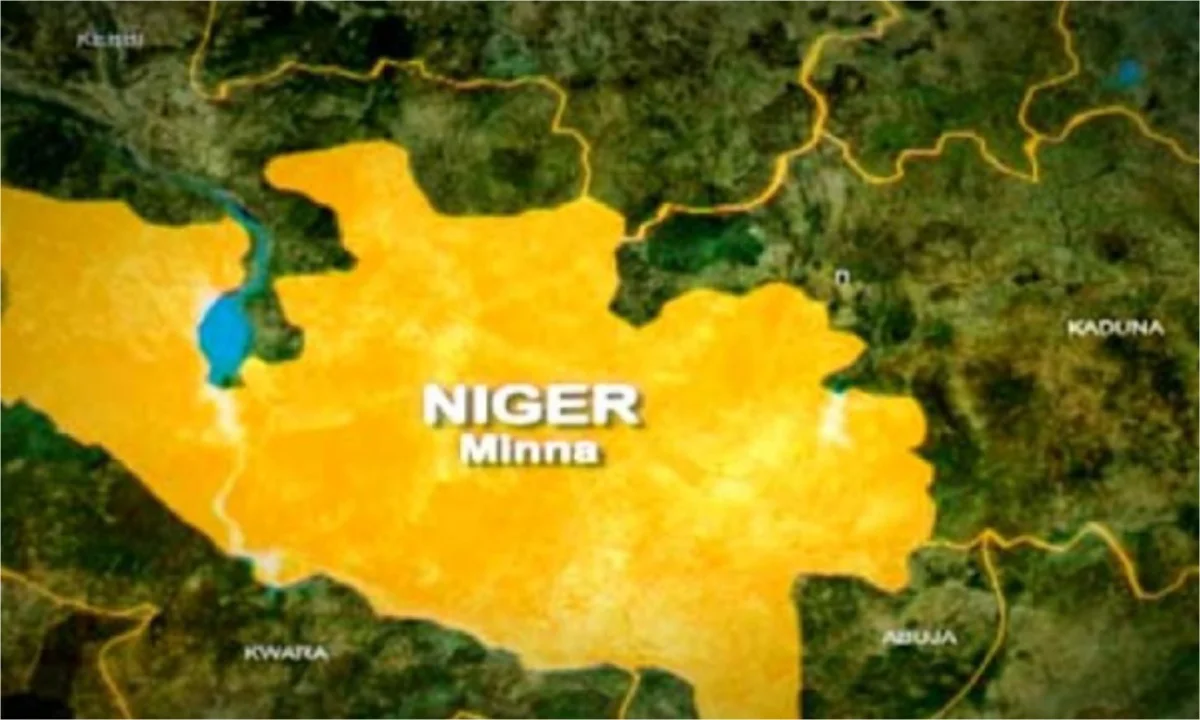
Several civilians were reportedly killed after a military airstrike hit Guradnayi village near Kusasu in Shiroro Local Government Area of Niger State early on Sunday morning.
According to Premium Times, residents said the attack happened around 5 am and followed the movement of armed terrorists on motorcycles through the area.
A resident of Kusasu said at least 12 people died in the house of one of his relatives in Guradnayi, including his cousin’s son. Residents claimed military aircraft were pursuing terrorists before the bombs were dropped. The Nigerian Air Force has not yet released an official statement.
Key Points:
Families in rural Niger State have lost multiple relatives in a single night of bombing.
Accidental airstrikes continue to kill civilians instead of the terrorists they target.
Residents fleeing from terrorists were reportedly among those killed in their homes.
Communities now face the impossible choice: stay and face bandits, or flee and face bombs.
Timing of this incident, without an official statement, leaves families in agonising uncertainty.
Sources : Daily Post Nigeria
👉 Are You A WhatsApp User? Do You Want To Get Our News As Fast As Possible On Daily Basis? 👉 Click This Link To Join WhatsApp Channel Now.

A cruise ship where hantavirus cases were detected has arrived in Spain’s Canary Islands. The vessel docked after reports emerged of passengers infected with the rare and potentially deadly rodent-borne virus. Local health authorities are expected to implement quarantine and testing protocols for affected passengers and crew.
The situation has raised concerns about the spread of infectious diseases on international cruise liners. Further details on the number of cases and the severity of infections are awaited from Spanish health officials.
Key Points:
Passengers and crew on board face potential quarantine and health monitoring.
The cruise industry may face renewed scrutiny over infectious disease protocols.
Tourists planning cruises could reconsider bookings following the outbreak.
Local health systems in the Canary Islands must prepare for possible hospital admissions.
The timing of the arrival, peak tourist season, could impact regional tourism.
Watch for updates from Spanish health authorities on the number of confirmed cases and any quarantine measures implemented.
Sources: AFP
👉 Are You A WhatsApp User? Do You Want To Get Our News As Fast As Possible On Daily Basis? 👉 Click This Link To Join WhatsApp Channel Now.

 Breaking News8 months ago
World’s Youngest Undergraduate is Nigerian JOSHUA BECKFORD, gained admission in Oxford University at the age of Six years
 Breaking News6 months ago
JUST IN: Finally United States President Donald Trump Revokes 80,000 Visas of Nigerians, Other Foreign Nationals

 Breaking News8 months ago
BREAKING NEWS: Woman in Trouble For Burning 7-year-old Girl’s Private Parts With Hot Knife

 Breaking News8 months ago
BREAKING NEWS: FULL DETAILS! Top Secret Leaked Why SIM Fubara Fails to Return to Government House After Reinstatement

 Breaking News6 months ago
BREAKING NEWS: Nigerian Billionaire Lawmaker Ned Nwoko, Orders Arrest of His Mother In Law Regina Daniels’ Mother, Rita

 Breaking News8 months ago
BREAKING NEWS: Federal Government Releases Proof of N25,000 Cash Transfers to 71 Million Nigerians in 8.1 Million Households

 Breaking News8 months ago
BREAKING NEWS: Another Rivers Saga: Just Reinstated Fubara Told to Sack All Sole Administrators Appointees, Seek Tinubu’s Assurance Over Impeachment

 Breaking News8 months ago
BREAKING NEWS: Finally Department of State Services (DSS) summons Sowore over post on Tinubu