
Lifestyle
Bitter people display these 8 behaviors that make them their own worst enemy


We all know someone who seems perpetually dissatisfied with life. They find fault in every situation, harbor resentments like precious keepsakes, and somehow manage to turn even good news into something negative. While we might roll our eyes or try to avoid these individuals, there’s often genuine pain behind their pessimism.....TAP TO CONTINUE READING
Bitterness doesn’t develop overnight. It’s usually the result of accumulated disappointments, betrayals, or unprocessed hurt. But the cruel irony is that the very behaviors bitter people use to protect themselves.
from further pain often guarantee they’ll experience more of it, creating a self-perpetuating cycle of misery. Behaviors like these:
1. They hold grudges like trophies.
When someone cuts you off in traffic, you might feel annoyed for a few minutes before moving on. But bitter people? They’ll still be seething about that rude driver three weeks later, telling anyone who’ll listen about the injustice they experienced.
If you find yourself mentally filing every slight, disappointment, and betrayal for future reference, you’re essentially hoarding a collection of emotional poison. Each grudge eventually becomes a weight that drags down your present moment, coloring every new experience with the bitterness of the past.
This behavior often stems from a deep need for the bitter person to feel validated in their pain. Psychology Today tells us that holding onto grudges gives people a sense of righteous indignation, a feeling that they’re the wronged party in their life’s narrative. But while they’re busy nurturing these resentments, life continues moving forward without them. The person who hurt them has likely forgotten the incident entirely, while the bitter person remains trapped in a moment that everyone else has left behind.
2. They see the worst in every situation.
People who’ve become bitter have essentially (and unintentionally) trained their brains to scan for danger, disappointment, and hidden threats. When you’ve been hurt repeatedly, this hypervigilance starts off as protection, but it ends up as a prison.
For example, if a friend takes longer than usual to respond to a text, a bitter person might immediately assume they’re being ignored, dismissed, or that the friendship is over. When a coworker gets promoted, instead of seeing an opportunity for celebration or learning, they see favoritism, unfairness, or evidence that hard work doesn’t pay off.
This negativity bias develops as a defense mechanism. If you expect the worst, you can’t be disappointed, right? Wrong. What actually happens is you create a self-fulfilling prophecy.
When you approach every situation expecting betrayal or failure, you unconsciously behave in ways that increase the likelihood of negative outcomes. Your suspicious attitude pushes people away, your pessimistic outlook prevents you from seeing genuine opportunities, and your defensive attitude invites conflict even where none existed before.
3. They can’t celebrate others’ success.
Nothing reveals bitterness quite like watching someone’s reaction to another person’s good news. While most people can muster some genuine happiness for a friend’s promotion or a sibling’s engagement, bitter individuals feel physically uncomfortable and jealous when others succeed.
This reaction often stems from viewing life as a zero-sum game. After all, if you believe there’s only so much happiness, success, or good fortune to go around, then someone else’s win automatically feels like your loss.
The result is that friends may stop telling you about their wins, colleagues avoid including you in positive conversations, and you end up surrounded by the very negativity you likely hate but can’t stop feeding.
4. They are cynical about praise and compliments.
When a bitter person hears “Nice haircut,” they’ll assume sarcasm rather than accepting the compliment graciously. If a colleague says they’re “impressed by your dedication,” a bitter person will take that to be a veiled criticism of their work-life balance.
Psychologist, Dr. Bruce Hutchison, advises that this cynical behavior usually develops from repeated experiences of genuine betrayal or criticism, often starting in childhood. When you’ve learned that words can be cruelty disguised as kindness, you become hyperalert to potential threats.
But this constant analysis now creates problems where none exist. The bitter person responds defensively to imaginary slights, which confuses and alienates the very people who might have been genuinely trying to connect with them. What’s more, as Dr Hutchison writes, it can have devastating effects on the bitter individual’s health.
5. They bring up past hurts in every argument.
When bitter people argue, they don’t just address the current issue; they resurrect every grievance from the relationship’s entire history. What starts as a discussion about household chores becomes a comprehensive review of every perceived slight from the past five years.
Instead of resolving the immediate problem, conversations become exercises in mutual destruction where both parties leave feeling wounded and misunderstood. The bitter person genuinely believes they’re making valid points by referencing past patterns, but they’re actually making resolution impossible.
This tendency develops from feeling unheard and invalidated over time. When previous concerns weren’t adequately addressed, they don’t disappear—they accumulate like sediment in a riverbed. Eventually, any new conflict stirs up all that buried resentment, creating a muddy, overwhelming flood of grievances.
The bitter person feels justified in bringing up history because, to them, it’s all connected. But this approach ensures that problems never truly get resolved, relationships never heal, and the same painful patterns repeat endlessly.
6. They refuse help because they assume ulterior motives.
When someone offers assistance, most people feel grateful, even if they decline. But bitter individuals immediately start scanning for the catch, assuming there must be strings attached or manipulative motives. This ties into that cynicism we talked about earlier.
The problem is that this defensive stance becomes self-defeating. When you repeatedly reject offers of support, people eventually stop offering. They grow tired of having their genuine kindness questioned and analyzed. So you end up carrying burdens alone that could have been shared, missing opportunities for connection and collaboration.
7. They complain but reject solutions.
There are few things more frustrating than listening to someone vent about the same problems repeatedly while shooting down every suggestion offered.
The thing is, for bitter people, problems often become part of their identity. Complaining endlessly provides a way to connect with others, garner sympathy, and validate their worldview that life is unfair. And when someone offers a solution, it threatens this narrative. If there’s actually a way to fix things, then continuing to suffer becomes a choice rather than an inevitability. And that’s a responsibility many bitter people aren’t ready to accept.
This pattern also often stems from learned helplessness. After facing repeated setbacks or failures, some people develop a deep belief that change isn’t possible for them, even when presented with viable options. They’ve become so accustomed to disappointment that hope feels dangerous. Rejecting solutions protects them from the risk of trying and failing again. But this self-protective mechanism ensures they remain stuck in the very circumstances they hate, surrounded by increasingly frustrated friends who grow tired of offering unheeded advice.
8. They surround themselves with other bitter people.
Birds of a feather flock together, and bitter people tend to gravitate toward others who share their cynical worldview. As a result, they end up trapped in an echo chamber of negativity.
This clustering happens naturally because people feel understood and validated by others who share their perspective. So when everyone in your circle agrees that people can’t be trusted, that the world is unfair, and that disappointment is inevitable, it can feel like you’ve found your tribe. These relationships provide comfort because there’s no pressure to be positive or to see things differently. It gives you a reason not to try.
But this comfort comes at a very steep price. When you surround yourself exclusively with other bitter people, you create a feedback loop that reinforces and amplifies negative thinking patterns. Every conspiracy theory gets validated, every grudge gets supported, and every pessimistic prediction gets treated as wisdom. You lose access to different perspectives that might help you heal or grow.
More importantly, you miss out on relationships with people who could model healthier ways of processing disappointment and finding joy despite life’s inevitable challenges. The validation feels good in the moment, but it keeps you stuck in patterns that ultimately make your life smaller, lonelier, and more painful than it needs to be.
Final thoughts…
Bitter habits often develop as a natural response to genuine pain and disappointment. If you recognize these behaviors in yourself, it doesn’t mean you’re a bad person. It means you’re human, and you’ve been hurt.
The tragedy is that these protective mechanisms, which once served to shield you from further harm, have become the very things preventing you from experiencing the connection, joy, and peace you deserve. Recognition is the first step toward change. You don’t have to remain your own worst enemy forever.
Read The Full Article Here Now
👉 Are You A WhatsApp User? Do You Want To Get Our News As Fast As Possible On Daily Basis? 👉 Click This Link To Join WhatsApp Channel Now.

Art & Commercial students don’t fail JAMB because they’re dull. They fail because they’re taught like Science students. Science students calculate — JAMB rewards that. Art students explain — JAMB doesn’t. So you read hard, attend lessons, yet your score disappoints you. This online class fixes that. No theory overload. No confusion. Just real JAMB questions, clear breakdowns, and winning strategies. 📌 JAMB is not hard — you were just taught the wrong way.Click The Link To Reach Us Now 👉 https://wa.me/2349063958940

It’s likely already common knowledge that eating a varied diet helps keep your skin and hair healthy, but did you know that spices can have wonderful benefits for your appearance? Find out how garlic can promote hair development, how peppers can reduce the appearance of wrinkles, and how green tea can shield you from the harmful effects of the sun.....TAP TO CONTINUE READING
1. Place a chamomile tea bag in a small container and place it in the refrigerator after steeping it for two to three minutes in boiling water to release the anti-inflammatory enzymes. This is an effective treatment for beard burn. After it has had time to cool, you can use the tea bag to provide fast relief to the areas of your face that are red and itching.
2. Cinnamon is an excellent source of antioxidants, which protect the skin from the damaging effects of oxidative stress. It also imparts a delicious flavor to baked goods and warm beverages.
Keri Glassman, author of The O2 Diet and a registered dietitian, believes that one serving of cinnamon has more antioxidants than a half cup serving of blueberries. If you want an immediate increase in the antioxidant power of your coffee, add a half teaspoon of cinnamon to the ground beans before you brew it.
3. Garlic is a miracle worker for people with fine hair, despite the fact that it can leave your breath smelling bad. In order to produce robust and healthy hair, the hair follicle on your scalp need certain nutrients. Your hair will suffer if your diet does not contain the appropriate ingredients. According to Dr. Wu, eating foods that are abundant in the amino acid cysteine, which is found in garlic, can assist to revitalize your hair follicles. She goes on to say that the strength of your hair comes from the robust network of disulfide bonds that hold the cysteine molecules together. These bonds are what give your hair its resilience.
4. Here is yet another argument in favor of adopting a more environmentally friendly lifestyle: Catechins, which are also sometimes referred to as polyphenols, are found in high concentrations in green tea and are known to exhibit powerful anti-inflammatory, antioxidant, and anti-aging effects. Wu claims that applying green tea topically can also thicken the epidermis, speed up the healing of wounds, and inhibit an enzyme that causes uneven skin pigmentation, which in turn reduces the appearance of sun spots. All of these benefits can be achieved by applying green tea topically.
5. Spicy peppers such as chili, paprika, cayenne, and jalapeo not only excite your taste buds but also protect your skin from the harmful effects of the sun. According to Marti Wolfson, the culinary director at the Blum Center for Health in Rye Brook, New York, “Vitamins A and C in peppers help combat free radicals, limiting the destruction of collagen to maintain the integrity of our skin.” Peppers contain a high concentration of these vitamins.
Capsaicin, which is found in the vibrant peppers, can protect the skin from the harmful effects of ultraviolet radiation and functions as a sunscreen.
Read The Full Article Here Now
👉 Are You A WhatsApp User? Do You Want To Get Our News As Fast As Possible On Daily Basis? 👉 Click This Link To Join WhatsApp Channel Now.
Art & Commercial students don’t fail JAMB because they’re dull. They fail because they’re taught like Science students. Science students calculate — JAMB rewards that. Art students explain — JAMB doesn’t. So you read hard, attend lessons, yet your score disappoints you. This online class fixes that. No theory overload. No confusion. Just real JAMB questions, clear breakdowns, and winning strategies. 📌 JAMB is not hard — you were just taught the wrong way.Click The Link To Reach Us Now 👉 https://wa.me/2349063958940
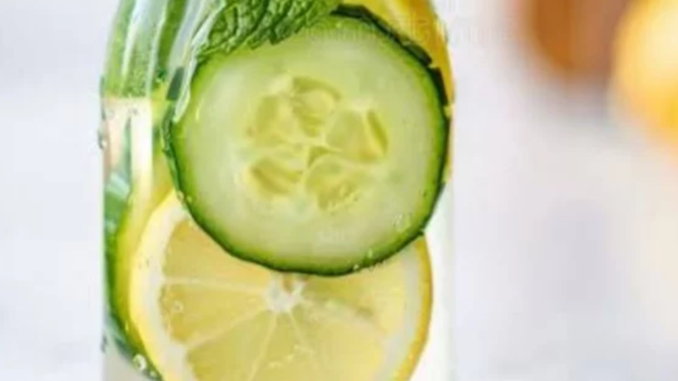
Cucumber and mint water is a refreshing, low-calorie drink that may support overall health when combined with a balanced diet and healthy lifestyle. While it is not a cure for diseases, drinking it regularly can offer some supportive benefits.....TAP TO CONTINUE READING
Here are four health areas it may help with:
1. Dehydration
Cucumbers are made up of about 95% water, and adding them to drinking water can encourage you to drink more fluids. Proper hydration supports digestion, circulation, temperature regulation, and energy levels.
2. Digestive Discomfort
Mint has traditionally been used to help relieve indigestion and bloating. Some research shows peppermint may relax digestive tract muscles, which can ease mild stomach discomfort.
3. Weight Management
Replacing sugary drinks with cucumber and mint water can reduce calorie intake. Staying hydrated may also help control appetite and prevent overeating.
4. Mild Inflammation
Cucumbers contain antioxidants like vitamin C and beta-carotene. Antioxidants help protect the body’s cells from damage caused by oxidative stress.
Important Note
Cucumber and mint water does not cure medical conditions. If you have ongoing digestive problems, diabetes, high blood pressure, or other health concerns, consult a qualified healthcare professional.
Simple Preparation
Add sliced cucumber and a few fresh mint leaves to a jug of water.
Let it infuse for 2–4 hours (or overnight) in the refrigerator.
Drink in the morning or throughout the day.
Read The Full Article Here Now
👉 Are You A WhatsApp User? Do You Want To Get Our News As Fast As Possible On Daily Basis? 👉 Click This Link To Join WhatsApp Channel Now.
Art & Commercial students don’t fail JAMB because they’re dull. They fail because they’re taught like Science students. Science students calculate — JAMB rewards that. Art students explain — JAMB doesn’t. So you read hard, attend lessons, yet your score disappoints you. This online class fixes that. No theory overload. No confusion. Just real JAMB questions, clear breakdowns, and winning strategies. 📌 JAMB is not hard — you were just taught the wrong way.Click The Link To Reach Us Now 👉 https://wa.me/2349063958940

Itching in the genital area is common and usually not serious. However, persistent or severe itching can sometimes signal an underlying issue.....TAP TO CONTINUE READING
Here are some possible causes.
1. Yeast Infection
Yeast infections are caused by an overgrowth of fungus (Candida). They can cause:
Intense itching
Redness
Irritation
Thick discharge (in women)
They are common and treatable.
2. Bacterial Imbalance
Changes in natural bacteria (especially in women) may lead to irritation, odor, or unusual discharge.
3. Skin Irritation or Allergic Reaction
Soaps, scented products, detergents, tight clothing, or sanitary products may irritate sensitive skin.
Switching to mild, fragrance-free products often helps.
4. Sexually Transmitted Infections (STIs)
Some STIs may cause itching along with other symptoms such as discharge, sores, or pain during urination. Not all STIs cause symptoms.
Testing is the only way to be sure.
5. Poor Hygiene or Excess Moisture
Excess sweat, damp clothing, or infrequent washing can irritate the skin. On the other hand, excessive washing with harsh soap can also cause dryness and itching.
Balance is key.
6. Pubic Lice or Skin Conditions
Less commonly, itching may be caused by pubic lice or skin conditions like eczema or psoriasis.
When to See a Doctor
Seek medical advice if you experience:
Severe pain
Sores or blisters
Unusual discharge
Fever
Symptoms lasting more than a few days
Early evaluation helps prevent complications.
Important Note
Avoid self-diagnosing based on online information alone. Many conditions share similar symptoms. A healthcare professional can provide proper testing and treatment.
Read The Full Article Here Now
👉 Are You A WhatsApp User? Do You Want To Get Our News As Fast As Possible On Daily Basis? 👉 Click This Link To Join WhatsApp Channel Now.
Art & Commercial students don’t fail JAMB because they’re dull. They fail because they’re taught like Science students. Science students calculate — JAMB rewards that. Art students explain — JAMB doesn’t. So you read hard, attend lessons, yet your score disappoints you. This online class fixes that. No theory overload. No confusion. Just real JAMB questions, clear breakdowns, and winning strategies. 📌 JAMB is not hard — you were just taught the wrong way.Click The Link To Reach Us Now 👉 https://wa.me/2349063958940
-

 Breaking News6 months ago
World’s Youngest Undergraduate is Nigerian JOSHUA BECKFORD, gained admission in Oxford University at the age of Six years
-

 Breaking News4 months ago
JUST IN: Finally United States President Donald Trump Revokes 80,000 Visas of Nigerians, Other Foreign Nationals
-

 Breaking News6 months ago
BREAKING NEWS: Woman in Trouble For Burning 7-year-old Girl’s Private Parts With Hot Knife
-

 Breaking News6 months ago
BREAKING NEWS: FULL DETAILS! Top Secret Leaked Why SIM Fubara Fails to Return to Government House After Reinstatement
-

 Breaking News4 months ago
BREAKING NEWS: Nigerian Billionaire Lawmaker Ned Nwoko, Orders Arrest of His Mother In Law Regina Daniels’ Mother, Rita
-

 Breaking News6 months ago
BREAKING NEWS: Federal Government Releases Proof of N25,000 Cash Transfers to 71 Million Nigerians in 8.1 Million Households
-

 Breaking News6 months ago
BREAKING NEWS: Another Rivers Saga: Just Reinstated Fubara Told to Sack All Sole Administrators Appointees, Seek Tinubu’s Assurance Over Impeachment
-

 Breaking News6 months ago
BREAKING NEWS: Finally Department of State Services (DSS) summons Sowore over post on Tinubu