
Lifestyle
Nigeria vs Ghana: Who really owns fufu?


Beyond football rivalries and jollof wars, fufu has also become a matter of cultural pride.....TAP TO CONTINUE READING
Originally, fufu was made from yams, plantains, or cocoyams. But the introduction of cassava to West Africa in the 16th century by Portuguese traders revolutionised the dish, making cassava-based fufu the most common form seen today.
Nigeria vs Ghana: Who Really Owns Fufu?
Historically, fufu is widely believed to have originated in Ghana, specifically among the Akan people, including the Asante, Akuapem, Akyem, Bono, and Fante ethnic groups. The word fufu itself comes from the Twi language, which literally means white and is likely derived from the whitish colour of the cassava component in fufu.
In Ghana, fufu is typically pounded by hand in a mortar and pestle, producing a soft, slightly sticky ball. It is eaten with a variety of soups such as light soup, palm nut soup, groundnut (peanut) soup, and abunubunu (green leafy soup). Fufu is a popular dish in Ghanaian homes, festivals, and communal gatherings.
While Ghana may hold the historical claim, Nigeria has given fufu its own identity. In Nigeria, fufu (commonly known as akpụ among the Igbo people) is made almost exclusively from fermented cassava. Unlike the Ghanaian version, which may include plantain or cocoyam, Nigerian akpụ is thicker, with a stronger fermented taste and aroma.
Nigerians typically eat akpụ with soups such as egusi, oha, bitterleaf (onugbu), ogbono, or vegetable soup. Among the Yoruba, fufu is also prepared differently, using sieved fermented cassava that is stirred over heat into a smooth, elastic dough.
Today, Nigerians sometimes replace cassava fufu with semolina, maize flour, or even instant plantain flour for convenience.
Fufu is, however, not unique to Nigeria and Ghana. Across Africa and even the Caribbean, variations of fufu abound:
Angola: funge, fúngi
Benin: santana, foufou
Burkina Faso: tô
Cameroon: couscous, couscous de manioc
Central African Republic: foufou
Congo-Kinshasa and Congo-Brazzaville: fufú, moteke, fufú, luku , bidia
Gabon: foufou
Ghana: fufu, fufuo, sakɔro
Haiti: tomtom
Ivory Coast: foutou, foufou
Liberia: fufu
Mozambique: sadja, sadza, xima
Nigeria: fufu, santana, akpụ, ụtara, loi-loi, swallow
Sierra Leone: foofoo, foofoo Togo: foufou
How Fufu Is Eaten In Different Parts Of Africa
Angola
Nigeria vs Ghana: Who really owns fufu?
In Angola, fufu is served as part of the national dish but is called fungi/fungee and is made using cornmeal and okra.
Cote d’Ivoire
Nigeria vs Ghana: Who really owns fufu?
In Côte d’Ivoire, the word foutou is also used. Ivorian foufou is specifically mashed sweet plantains, whereas foutou is a stronger, heavier paste made of various staple foods such as yams, cassava, plantains, taro or a mix of any of those.
Ghana
In Ghana, fufu is made out of pieces of boiled cassava and/or other tubers such as plantain or cocoyam. It is mostly pounded together in a locally made wooden mortar (woduro) using a wooden pestle. In between blows from the pestle, the mixture is turned by hand, and water is gradually added until it becomes a soft, sticky dough. The mixture is then formed into a rounded slab and served.
Nigeria
Nigeria vs Ghana: Who really owns fufu?
In Nigeria, fufu or akpu is a popular food made from fresh or fermented cassava. It is commonly referred to as akpu, which originated primarily among the Igbo people of southeastern Nigeria and various ethnic groups in the South-South region. However, over time, fufu has been adopted by numerous other Nigerian ethnic groups, each incorporating it into their diets with localised variations in preparation and accompanying soups.
At the end of the day, fufu remains one of the most beloved, versatile meals in West Africa.
Read The Full Article Here Now
👉 Are You A WhatsApp User? Do You Want To Get Our News As Fast As Possible On Daily Basis? 👉 Click This Link To Join WhatsApp Channel Now.

Art & Commercial students don’t fail JAMB because they’re dull. They fail because they’re taught like Science students. Science students calculate — JAMB rewards that. Art students explain — JAMB doesn’t. So you read hard, attend lessons, yet your score disappoints you. This online class fixes that. No theory overload. No confusion. Just real JAMB questions, clear breakdowns, and winning strategies. 📌 JAMB is not hard — you were just taught the wrong way.Click The Link To Reach Us Now 👉 https://wa.me/2349063958940

It’s likely already common knowledge that eating a varied diet helps keep your skin and hair healthy, but did you know that spices can have wonderful benefits for your appearance? Find out how garlic can promote hair development, how peppers can reduce the appearance of wrinkles, and how green tea can shield you from the harmful effects of the sun.....TAP TO CONTINUE READING
1. Place a chamomile tea bag in a small container and place it in the refrigerator after steeping it for two to three minutes in boiling water to release the anti-inflammatory enzymes. This is an effective treatment for beard burn. After it has had time to cool, you can use the tea bag to provide fast relief to the areas of your face that are red and itching.
2. Cinnamon is an excellent source of antioxidants, which protect the skin from the damaging effects of oxidative stress. It also imparts a delicious flavor to baked goods and warm beverages.
Keri Glassman, author of The O2 Diet and a registered dietitian, believes that one serving of cinnamon has more antioxidants than a half cup serving of blueberries. If you want an immediate increase in the antioxidant power of your coffee, add a half teaspoon of cinnamon to the ground beans before you brew it.
3. Garlic is a miracle worker for people with fine hair, despite the fact that it can leave your breath smelling bad. In order to produce robust and healthy hair, the hair follicle on your scalp need certain nutrients. Your hair will suffer if your diet does not contain the appropriate ingredients. According to Dr. Wu, eating foods that are abundant in the amino acid cysteine, which is found in garlic, can assist to revitalize your hair follicles. She goes on to say that the strength of your hair comes from the robust network of disulfide bonds that hold the cysteine molecules together. These bonds are what give your hair its resilience.
4. Here is yet another argument in favor of adopting a more environmentally friendly lifestyle: Catechins, which are also sometimes referred to as polyphenols, are found in high concentrations in green tea and are known to exhibit powerful anti-inflammatory, antioxidant, and anti-aging effects. Wu claims that applying green tea topically can also thicken the epidermis, speed up the healing of wounds, and inhibit an enzyme that causes uneven skin pigmentation, which in turn reduces the appearance of sun spots. All of these benefits can be achieved by applying green tea topically.
5. Spicy peppers such as chili, paprika, cayenne, and jalapeo not only excite your taste buds but also protect your skin from the harmful effects of the sun. According to Marti Wolfson, the culinary director at the Blum Center for Health in Rye Brook, New York, “Vitamins A and C in peppers help combat free radicals, limiting the destruction of collagen to maintain the integrity of our skin.” Peppers contain a high concentration of these vitamins.
Capsaicin, which is found in the vibrant peppers, can protect the skin from the harmful effects of ultraviolet radiation and functions as a sunscreen.
Read The Full Article Here Now
👉 Are You A WhatsApp User? Do You Want To Get Our News As Fast As Possible On Daily Basis? 👉 Click This Link To Join WhatsApp Channel Now.
Art & Commercial students don’t fail JAMB because they’re dull. They fail because they’re taught like Science students. Science students calculate — JAMB rewards that. Art students explain — JAMB doesn’t. So you read hard, attend lessons, yet your score disappoints you. This online class fixes that. No theory overload. No confusion. Just real JAMB questions, clear breakdowns, and winning strategies. 📌 JAMB is not hard — you were just taught the wrong way.Click The Link To Reach Us Now 👉 https://wa.me/2349063958940
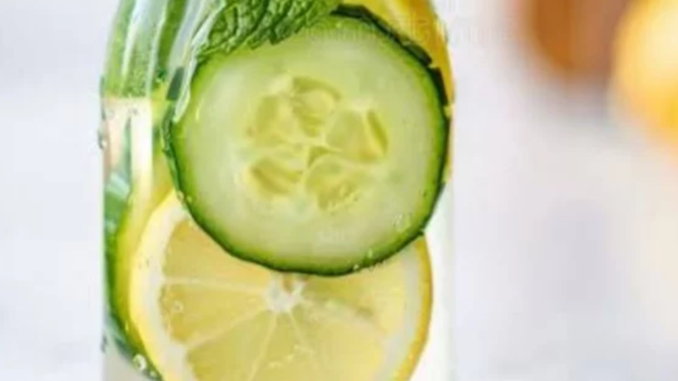
Cucumber and mint water is a refreshing, low-calorie drink that may support overall health when combined with a balanced diet and healthy lifestyle. While it is not a cure for diseases, drinking it regularly can offer some supportive benefits.....TAP TO CONTINUE READING
Here are four health areas it may help with:
1. Dehydration
Cucumbers are made up of about 95% water, and adding them to drinking water can encourage you to drink more fluids. Proper hydration supports digestion, circulation, temperature regulation, and energy levels.
2. Digestive Discomfort
Mint has traditionally been used to help relieve indigestion and bloating. Some research shows peppermint may relax digestive tract muscles, which can ease mild stomach discomfort.
3. Weight Management
Replacing sugary drinks with cucumber and mint water can reduce calorie intake. Staying hydrated may also help control appetite and prevent overeating.
4. Mild Inflammation
Cucumbers contain antioxidants like vitamin C and beta-carotene. Antioxidants help protect the body’s cells from damage caused by oxidative stress.
Important Note
Cucumber and mint water does not cure medical conditions. If you have ongoing digestive problems, diabetes, high blood pressure, or other health concerns, consult a qualified healthcare professional.
Simple Preparation
Add sliced cucumber and a few fresh mint leaves to a jug of water.
Let it infuse for 2–4 hours (or overnight) in the refrigerator.
Drink in the morning or throughout the day.
Read The Full Article Here Now
👉 Are You A WhatsApp User? Do You Want To Get Our News As Fast As Possible On Daily Basis? 👉 Click This Link To Join WhatsApp Channel Now.
Art & Commercial students don’t fail JAMB because they’re dull. They fail because they’re taught like Science students. Science students calculate — JAMB rewards that. Art students explain — JAMB doesn’t. So you read hard, attend lessons, yet your score disappoints you. This online class fixes that. No theory overload. No confusion. Just real JAMB questions, clear breakdowns, and winning strategies. 📌 JAMB is not hard — you were just taught the wrong way.Click The Link To Reach Us Now 👉 https://wa.me/2349063958940

Itching in the genital area is common and usually not serious. However, persistent or severe itching can sometimes signal an underlying issue.....TAP TO CONTINUE READING
Here are some possible causes.
1. Yeast Infection
Yeast infections are caused by an overgrowth of fungus (Candida). They can cause:
Intense itching
Redness
Irritation
Thick discharge (in women)
They are common and treatable.
2. Bacterial Imbalance
Changes in natural bacteria (especially in women) may lead to irritation, odor, or unusual discharge.
3. Skin Irritation or Allergic Reaction
Soaps, scented products, detergents, tight clothing, or sanitary products may irritate sensitive skin.
Switching to mild, fragrance-free products often helps.
4. Sexually Transmitted Infections (STIs)
Some STIs may cause itching along with other symptoms such as discharge, sores, or pain during urination. Not all STIs cause symptoms.
Testing is the only way to be sure.
5. Poor Hygiene or Excess Moisture
Excess sweat, damp clothing, or infrequent washing can irritate the skin. On the other hand, excessive washing with harsh soap can also cause dryness and itching.
Balance is key.
6. Pubic Lice or Skin Conditions
Less commonly, itching may be caused by pubic lice or skin conditions like eczema or psoriasis.
When to See a Doctor
Seek medical advice if you experience:
Severe pain
Sores or blisters
Unusual discharge
Fever
Symptoms lasting more than a few days
Early evaluation helps prevent complications.
Important Note
Avoid self-diagnosing based on online information alone. Many conditions share similar symptoms. A healthcare professional can provide proper testing and treatment.
Read The Full Article Here Now
👉 Are You A WhatsApp User? Do You Want To Get Our News As Fast As Possible On Daily Basis? 👉 Click This Link To Join WhatsApp Channel Now.
Art & Commercial students don’t fail JAMB because they’re dull. They fail because they’re taught like Science students. Science students calculate — JAMB rewards that. Art students explain — JAMB doesn’t. So you read hard, attend lessons, yet your score disappoints you. This online class fixes that. No theory overload. No confusion. Just real JAMB questions, clear breakdowns, and winning strategies. 📌 JAMB is not hard — you were just taught the wrong way.Click The Link To Reach Us Now 👉 https://wa.me/2349063958940
-

 Breaking News6 months ago
World’s Youngest Undergraduate is Nigerian JOSHUA BECKFORD, gained admission in Oxford University at the age of Six years
-

 Breaking News4 months ago
JUST IN: Finally United States President Donald Trump Revokes 80,000 Visas of Nigerians, Other Foreign Nationals
-

 Breaking News6 months ago
BREAKING NEWS: Woman in Trouble For Burning 7-year-old Girl’s Private Parts With Hot Knife
-

 Breaking News6 months ago
BREAKING NEWS: FULL DETAILS! Top Secret Leaked Why SIM Fubara Fails to Return to Government House After Reinstatement
-

 Breaking News4 months ago
BREAKING NEWS: Nigerian Billionaire Lawmaker Ned Nwoko, Orders Arrest of His Mother In Law Regina Daniels’ Mother, Rita
-

 Breaking News6 months ago
BREAKING NEWS: Federal Government Releases Proof of N25,000 Cash Transfers to 71 Million Nigerians in 8.1 Million Households
-

 Breaking News6 months ago
BREAKING NEWS: Another Rivers Saga: Just Reinstated Fubara Told to Sack All Sole Administrators Appointees, Seek Tinubu’s Assurance Over Impeachment
-

 Breaking News6 months ago
BREAKING NEWS: Finally Department of State Services (DSS) summons Sowore over post on Tinubu