
Lifestyle
The impact and driving force behind India’s National Sickle Cell Anaemia Elimination mission

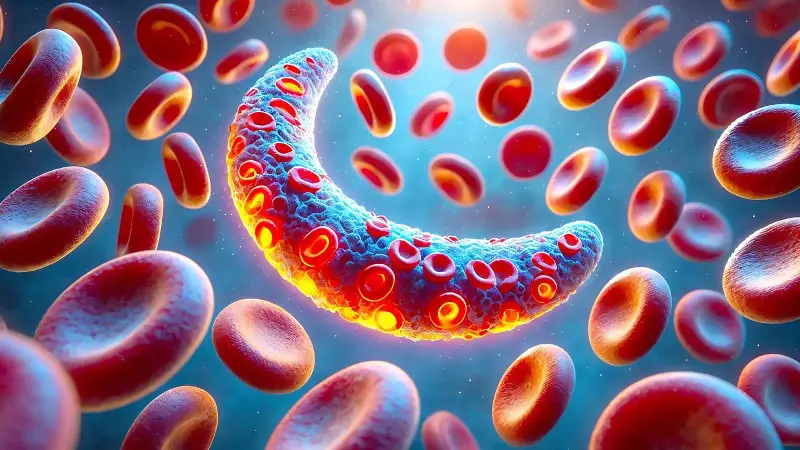
In just over a year since its launch, India’s National Sickle Cell Elimination Mission (NSCEM) is already demonstrating a notable impact in the nation’s fight against Sickle Cell Disease (SCD). This public health initiative, active in 278 districts across the country, has rapidly transformed the approach to both diagnosis and management of SCD. With a focus on tribal populations which are more susceptible to the disease and an ambitious target to eliminate SCD as a public health problem by 2047, the mission has achieved unprecedented reach, which is evident in its screening numbers.....TAP TO CONTINUE READING
According to government statistics, more than 42 million people were screened for SCD in the first year. This figure, in comparison, is over 10 times the annual number of babies screened in the universal new born screening program in the United States (approximately 3.6 million) and 70 times more. This daily identification rate is roughly equivalent to the total number of new births affected over an entire year in the United Kingdom.
Furthermore, approximately 2,500 carriers of the sickle cell trait are identified daily. While these individuals do not present immediate clinical concerns, their identification is critical for future prevention. These carriers are informed about the disease and offered premarital screening and genetic counselling to help prevent the transmission of SCD to future generations. All screened individuals are given a standardised, color-coded identity card that visually indicates their sickle cell status and reproductive risk in an accessible format.
The mission’s multi-pronged approach extends beyond screening to encompass comprehensive care and counselling and also future research. This includes:
Prevention strategies
Prevention of serious infections has played a key role in SCD management. Immunisations against Streptococcus pneumoniae and Haemophilus influenzae have improved survival rates and brought down deaths caused by the pneumococcal disease. The government is also carrying out mass screenings and those at high-risk are being counsel.
Prenatal screening
For couples at risk, prenatal screening for SCD using advanced techniques like chorionic villus sampling and amniocentesis, is made available at Government of India’s expense. This empowers families to make informed decisions. Efforts are being made to improve access to these services in geographically remote areas also.
Social support and legal protection
Recognising the challenges faced by individuals with SCD, the Rights of Persons with Disabilities (RPWD) Act of 2016 includes thalassemia, haemophilia, and SCD among the three haematological disorders covered. This act provides vital protections and entitlements for those with 40 per cent or more disability, including:
Accommodations at school and work, such as flexible timings and extra leave to allow for medical care
Relaxation in attendance requirements and additional time for timed examinations
Financial assistance for medical expenses
Consideration for employment opportunities in proximity to comprehensive care facilities
The Act also mandates non-discrimination, upholds the right to equality and life with dignity, offers incentives for employers to hire individuals with disabilities, and provides preferences in admission to higher education courses.
Advancements in disease-modifying therapies
Hydroxyurea: A widely used disease-modifying therapy, Hydroxyurea (HU) has been used in patients with SCD in India since 2008. HU is dispensed free of charge through government health systems and is commercially available at low cost. It is manufactured domestically by several pharmaceutical companies, ensuring ready availability. An oral liquid formulation, stable at room temperature is also being manufactured in India, offering a significant advantage for treating children in remote, tropical regions. HU has proven effective in reducing painful episodes, blood transfusion needs, and hospitalisation rates. It is currently being given to all patients with sickle cell disease starting at two years of age. Research is ongoing to assess the efficacy of different dosages and dose escalation strategies.
Advancements in curative therapies
Hematopoietic Cell Transplantation: Hematopoietic Cell Transplantation (HCT), often referred to as bone marrow transplant, has been gaining popularity in India over the past four decades. The country now has 114 HCT centres, with 89 reporting results to a bone marrow transplant registry.
Clinical research
India is emerging as a hub for SCD clinical trials, with approximately 47 trials registered in the Clinical Trial Registry India for SCD. These trials encompass a range of interventions, including HU, haploidentical transplant conditioning regimens, and novel drug candidates pyruvate kinase activator, fetal haemoglobin (HbF) inducers. With large numbers of patients with SCD and medical services in private and academic hospitals, India has the potential to serve as a source for conducting interventional clinical trials.
Looking into the future
Announced by PM Narendra Modi in 2023, NSCEM is a comprehensive effort to improve the care of all SCD patients and lower disease prevalence. Some of its core pillars include:
Increasing awareness for SCD and pre-marital genetic counselling
Prevention via universal screening and early detection
Providing continuous care across primary, secondary, and tertiary healthcare levels
Strengthening tertiary and quaternary healthcare facilities
Encouraging community adoption and providing support systems
The progress of the mission is meticulously tracked and updated in real-time on a public online portal, guiding resource allocation at district, state, and national levels.
Furthermore, recognising the potential of transformative therapies, the Government of India has made significant investments in research to develop gene therapies for SCD domestically. While concerns about feasibility and cost in low and middle-income countries remain, India’s proactive research support comes as a glimmer of hope for future curative solutions.
Note to the Reader: This article has been produced on behalf of the brand by HT Brand Studio and does not have the journalistic/editorial involvement of Hindustan Times. The information provided does not constitute medical advice. Please consult a registered medical practitioner for health-related concerns.
Read The Full Article Here Now
👉 Are You A WhatsApp User? Do You Want To Get Our News As Fast As Possible On Daily Basis? 👉 Click This Link To Join WhatsApp Channel Now.

Art & Commercial students don’t fail JAMB because they’re dull. They fail because they’re taught like Science students. Science students calculate — JAMB rewards that. Art students explain — JAMB doesn’t. So you read hard, attend lessons, yet your score disappoints you. This online class fixes that. No theory overload. No confusion. Just real JAMB questions, clear breakdowns, and winning strategies. 📌 JAMB is not hard — you were just taught the wrong way.Click The Link To Reach Us Now 👉 https://wa.me/2349063958940
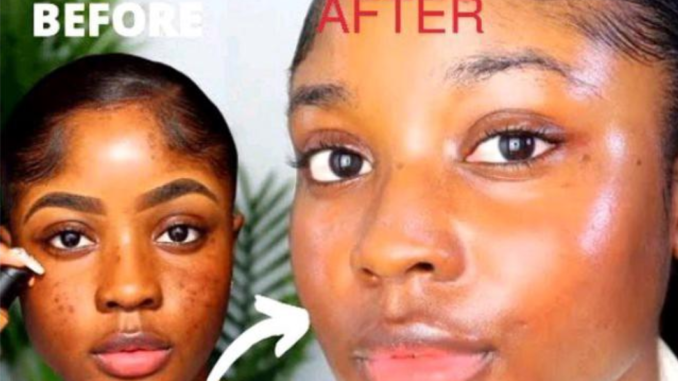
It’s likely already common knowledge that eating a varied diet helps keep your skin and hair healthy, but did you know that spices can have wonderful benefits for your appearance? Find out how garlic can promote hair development, how peppers can reduce the appearance of wrinkles, and how green tea can shield you from the harmful effects of the sun.....TAP TO CONTINUE READING
1. Place a chamomile tea bag in a small container and place it in the refrigerator after steeping it for two to three minutes in boiling water to release the anti-inflammatory enzymes. This is an effective treatment for beard burn. After it has had time to cool, you can use the tea bag to provide fast relief to the areas of your face that are red and itching.
2. Cinnamon is an excellent source of antioxidants, which protect the skin from the damaging effects of oxidative stress. It also imparts a delicious flavor to baked goods and warm beverages.
Keri Glassman, author of The O2 Diet and a registered dietitian, believes that one serving of cinnamon has more antioxidants than a half cup serving of blueberries. If you want an immediate increase in the antioxidant power of your coffee, add a half teaspoon of cinnamon to the ground beans before you brew it.
3. Garlic is a miracle worker for people with fine hair, despite the fact that it can leave your breath smelling bad. In order to produce robust and healthy hair, the hair follicle on your scalp need certain nutrients. Your hair will suffer if your diet does not contain the appropriate ingredients. According to Dr. Wu, eating foods that are abundant in the amino acid cysteine, which is found in garlic, can assist to revitalize your hair follicles. She goes on to say that the strength of your hair comes from the robust network of disulfide bonds that hold the cysteine molecules together. These bonds are what give your hair its resilience.
4. Here is yet another argument in favor of adopting a more environmentally friendly lifestyle: Catechins, which are also sometimes referred to as polyphenols, are found in high concentrations in green tea and are known to exhibit powerful anti-inflammatory, antioxidant, and anti-aging effects. Wu claims that applying green tea topically can also thicken the epidermis, speed up the healing of wounds, and inhibit an enzyme that causes uneven skin pigmentation, which in turn reduces the appearance of sun spots. All of these benefits can be achieved by applying green tea topically.
5. Spicy peppers such as chili, paprika, cayenne, and jalapeo not only excite your taste buds but also protect your skin from the harmful effects of the sun. According to Marti Wolfson, the culinary director at the Blum Center for Health in Rye Brook, New York, “Vitamins A and C in peppers help combat free radicals, limiting the destruction of collagen to maintain the integrity of our skin.” Peppers contain a high concentration of these vitamins.
Capsaicin, which is found in the vibrant peppers, can protect the skin from the harmful effects of ultraviolet radiation and functions as a sunscreen.
Read The Full Article Here Now
👉 Are You A WhatsApp User? Do You Want To Get Our News As Fast As Possible On Daily Basis? 👉 Click This Link To Join WhatsApp Channel Now.
Art & Commercial students don’t fail JAMB because they’re dull. They fail because they’re taught like Science students. Science students calculate — JAMB rewards that. Art students explain — JAMB doesn’t. So you read hard, attend lessons, yet your score disappoints you. This online class fixes that. No theory overload. No confusion. Just real JAMB questions, clear breakdowns, and winning strategies. 📌 JAMB is not hard — you were just taught the wrong way.Click The Link To Reach Us Now 👉 https://wa.me/2349063958940
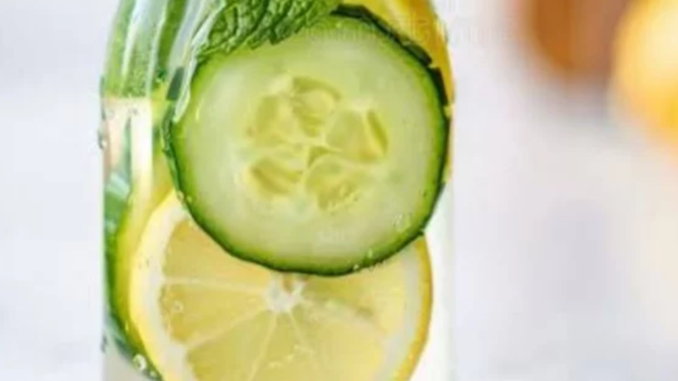
Cucumber and mint water is a refreshing, low-calorie drink that may support overall health when combined with a balanced diet and healthy lifestyle. While it is not a cure for diseases, drinking it regularly can offer some supportive benefits.....TAP TO CONTINUE READING
Here are four health areas it may help with:
1. Dehydration
Cucumbers are made up of about 95% water, and adding them to drinking water can encourage you to drink more fluids. Proper hydration supports digestion, circulation, temperature regulation, and energy levels.
2. Digestive Discomfort
Mint has traditionally been used to help relieve indigestion and bloating. Some research shows peppermint may relax digestive tract muscles, which can ease mild stomach discomfort.
3. Weight Management
Replacing sugary drinks with cucumber and mint water can reduce calorie intake. Staying hydrated may also help control appetite and prevent overeating.
4. Mild Inflammation
Cucumbers contain antioxidants like vitamin C and beta-carotene. Antioxidants help protect the body’s cells from damage caused by oxidative stress.
Important Note
Cucumber and mint water does not cure medical conditions. If you have ongoing digestive problems, diabetes, high blood pressure, or other health concerns, consult a qualified healthcare professional.
Simple Preparation
Add sliced cucumber and a few fresh mint leaves to a jug of water.
Let it infuse for 2–4 hours (or overnight) in the refrigerator.
Drink in the morning or throughout the day.
Read The Full Article Here Now
👉 Are You A WhatsApp User? Do You Want To Get Our News As Fast As Possible On Daily Basis? 👉 Click This Link To Join WhatsApp Channel Now.
Art & Commercial students don’t fail JAMB because they’re dull. They fail because they’re taught like Science students. Science students calculate — JAMB rewards that. Art students explain — JAMB doesn’t. So you read hard, attend lessons, yet your score disappoints you. This online class fixes that. No theory overload. No confusion. Just real JAMB questions, clear breakdowns, and winning strategies. 📌 JAMB is not hard — you were just taught the wrong way.Click The Link To Reach Us Now 👉 https://wa.me/2349063958940

Itching in the genital area is common and usually not serious. However, persistent or severe itching can sometimes signal an underlying issue.....TAP TO CONTINUE READING
Here are some possible causes.
1. Yeast Infection
Yeast infections are caused by an overgrowth of fungus (Candida). They can cause:
Intense itching
Redness
Irritation
Thick discharge (in women)
They are common and treatable.
2. Bacterial Imbalance
Changes in natural bacteria (especially in women) may lead to irritation, odor, or unusual discharge.
3. Skin Irritation or Allergic Reaction
Soaps, scented products, detergents, tight clothing, or sanitary products may irritate sensitive skin.
Switching to mild, fragrance-free products often helps.
4. Sexually Transmitted Infections (STIs)
Some STIs may cause itching along with other symptoms such as discharge, sores, or pain during urination. Not all STIs cause symptoms.
Testing is the only way to be sure.
5. Poor Hygiene or Excess Moisture
Excess sweat, damp clothing, or infrequent washing can irritate the skin. On the other hand, excessive washing with harsh soap can also cause dryness and itching.
Balance is key.
6. Pubic Lice or Skin Conditions
Less commonly, itching may be caused by pubic lice or skin conditions like eczema or psoriasis.
When to See a Doctor
Seek medical advice if you experience:
Severe pain
Sores or blisters
Unusual discharge
Fever
Symptoms lasting more than a few days
Early evaluation helps prevent complications.
Important Note
Avoid self-diagnosing based on online information alone. Many conditions share similar symptoms. A healthcare professional can provide proper testing and treatment.
Read The Full Article Here Now
👉 Are You A WhatsApp User? Do You Want To Get Our News As Fast As Possible On Daily Basis? 👉 Click This Link To Join WhatsApp Channel Now.
Art & Commercial students don’t fail JAMB because they’re dull. They fail because they’re taught like Science students. Science students calculate — JAMB rewards that. Art students explain — JAMB doesn’t. So you read hard, attend lessons, yet your score disappoints you. This online class fixes that. No theory overload. No confusion. Just real JAMB questions, clear breakdowns, and winning strategies. 📌 JAMB is not hard — you were just taught the wrong way.Click The Link To Reach Us Now 👉 https://wa.me/2349063958940
-

 Breaking News6 months ago
World’s Youngest Undergraduate is Nigerian JOSHUA BECKFORD, gained admission in Oxford University at the age of Six years
-

 Breaking News4 months ago
JUST IN: Finally United States President Donald Trump Revokes 80,000 Visas of Nigerians, Other Foreign Nationals
-

 Breaking News6 months ago
BREAKING NEWS: Woman in Trouble For Burning 7-year-old Girl’s Private Parts With Hot Knife
-

 Breaking News6 months ago
BREAKING NEWS: FULL DETAILS! Top Secret Leaked Why SIM Fubara Fails to Return to Government House After Reinstatement
-

 Breaking News4 months ago
BREAKING NEWS: Nigerian Billionaire Lawmaker Ned Nwoko, Orders Arrest of His Mother In Law Regina Daniels’ Mother, Rita
-

 Breaking News6 months ago
BREAKING NEWS: Federal Government Releases Proof of N25,000 Cash Transfers to 71 Million Nigerians in 8.1 Million Households
-

 Breaking News6 months ago
BREAKING NEWS: Another Rivers Saga: Just Reinstated Fubara Told to Sack All Sole Administrators Appointees, Seek Tinubu’s Assurance Over Impeachment
-

 Breaking News6 months ago
BREAKING NEWS: Finally Department of State Services (DSS) summons Sowore over post on Tinubu