
Health-Lifestyle
Green Apples Vs. Red Apples: Which Is Healthier, According to Dietitians

“Hearst Magazines and Yahoo may earn commission or revenue on some items through these links.”
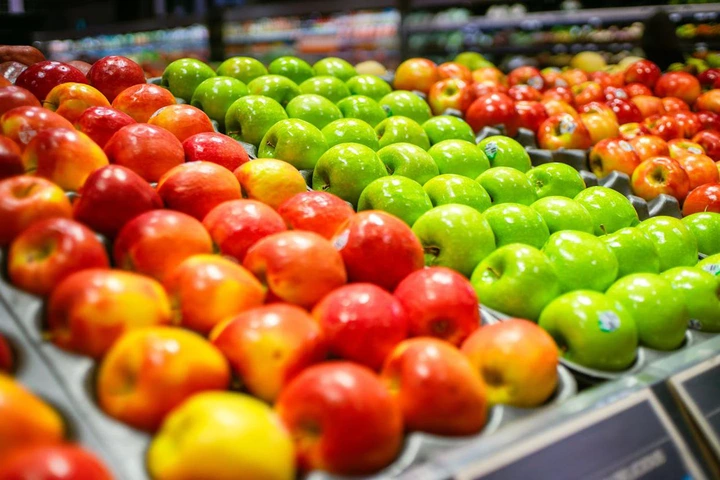
Apples are nutrient-packed, easy to grab and eat on the go, and simply tasty. But does the type you choose influence the health benefits of adding the fruit to your routine; and in the green apples vs. red apples debate, which is healthier?
Meet the experts: Rachel Gargano, M.S., R.D., C.S.S.D., the chief registered dietitian at Live it Up; Lauren Manaker, M.S., R.D.N., L.D., a registered dietitian nutritionist and women’s health expert.
There are some differences between green and red apples worth noting that may influence your next grocery run. Here, discover what you need to know about green apples vs. red apples, plus how you can incorporate both into a health-promoting eating plan.
Green apples vs. red apples: Nutrition
Most varieties of apples, from green to red to even yellow, are quite similar from a nutritional standpoint.
Green apples nutrition
According to the U.S. Department of Agriculture (USDA), 100 grams of a Granny Smith apple, which is a little over half a medium apple, contains:
59 calories
0 g of protein
0 g of fat
14 g of carbohydrates
2.5 g of fiber
Red apples nutrition
There are many different varieties of red apples on grocery store shelves and trees across the United States. Per the US Apple Association, one of the most popular in the country is the Gala apple. The USDA notes that 100 g of Gala apple, or a little over half a medium one, contains:
61 calories
0 g of protein
0 g of fat
15 g of carbohydrates
2 g of fiber
Green apples benefits
“Green apples are a tart treat. While they contain…fiber and several micronutrients such as potassium, magnesium, and phosphorus, a lot of their benefits come from high flavonol and fiber content,” says Rachel Gargano, M.S., R.D., C.S.S.D., the chief registered dietitian at Live it Up. “Green apples contain quercetin, a powerful antioxidant that may help impact oxidative stress in the body.” Per research in the journal Nutrients, the quercetin in apple peels may help support cardiovascular health and lower blood pressure, plus help the immune system combat viral infections.
Green apples contain slightly more fiber than red apples, which Gargano says may help support a healthy gut microbiome. Apples contain soluble fiber, the type that is broken down and consumed by beneficial gut bacteria. According to research in Molecules, this digestive process produces short-chain fatty acids, compounds that may reduce your risk of a variety of gastrointestinal diseases, including constipation, irritable bowel syndrome, and colorectal cancer.
Potential downsides of green apples
“The tartness of green apples might not appeal to everyone, and they can be harder on sensitive stomachs due to their acidity,” says Lauren Manaker, M.S., R.D.N., L.D., a registered dietitian nutritionist and women’s health expert. Green apples also contain sorbitol and fructose, notes Gargano, both of which are FODMAPs, or naturally occurring carbohydrates that can cause digestive problems for some people.
Red apples benefits
“Red apples have similar nutritional properties as green ones, but their polyphenol and antioxidant content is different,” explains Gargano. “This is because antioxidants give plants their color, and so different color apples will contain varying types of bioactive compounds.” According to the Nutrients study mentioned above, flavonoids like procyanidins and catechins are most concentrated in the peels of red apples. These may play a role in maintaining the circulatory and skeletal systems and potentially preventing related diseases like osteoarthritis.
“Red apples are sweeter and slightly higher in natural sugars than green apples, making them a great option for a quick energy boost,” says Manaker. That said, this difference is super small. “Ounce for ounce, the amount of sugar is only a few grams less, so it’s really not a game changer,” Gargano says. “If you love red apples, don’t let this stat steer you away!” Likewise, the difference in fiber content is also quite minor—you can still get the same perks for your digestive system from the soluble fiber in red apples that you can expect from green. So people with blood sugar concerns need not only eat green apples.
Plus, with so many varieties of red apples to choose from, chances are high that you will find one with a flavor you enjoy, while the tart taste of green apples may be a turn-off for some.
Potential downsides of red apples
“Like green apples, red apples are high in sorbitol and fructose, making them more difficult to digest for some people,” says Gargano. “Overall, not many downsides exist for eating apples in general.”
Green apples vs. red apples: Which is best for weight loss?
“All apples can be a great addition to the diet, even when you’re trying to lose weight,” Gargano says. If you’re aiming for the recommended two servings of fruit per day, either a red or a green apple can serve as a delicious and satisfying low-calorie snack. And if you pair it with a source of protein, such as peanut butter or almond butter, it may go even further towards helping you meet your weight loss goals by helping curb blood sugar spikes and aiding in satiety.
Green apples vs. red apples: Which is better for you?
“Both green apples and red apples are healthy, and the choice comes down to taste preference,” says Manaker. If you prefer a tart apple, go for green, and if you prefer a sweeter one, choose red. Either way (especially if you’re eating it whole and with the skin),
👉 Are You A WhatsApp User? Do You Want To Get Our News As Fast As Possible On Daily Basis? 👉 Click This Link To Join WhatsApp Channel Now.

Washing your hair with cola could have great benefits. Do you dream of having beautiful hair, but does your hair not look as good in real life? If your hair is limp and dull, you should keep reading this article for this trick involving cola.
You’re not alone; many women have hair that lacks volume and shine. This is not surprising if you think about how we treat our hair. Washing, dyeing, straightening, and curling can cause damage. Luckily, there is a simple product that can help. You might already have a bottle of it in your fridge. Washing your hair with cola can make a big difference. We’re unsure if you’ll want to drink it after reading this, though.
Did you know cola is helpful for a lot of different things? You can use it to descale your tea kettle or to clean the toilet, for example. The popular beverage is so chemical that it can clean things. Who knew? You can also use it to remove chewing gum from your (or your children’s) hair. Just fill a bowl with cola, pop your piece of chewed gum in, and leave it for a while. You’ll be amazed at how easily you can get it out.
We can’t promise that this will work as well as some claim, but it’s worth trying if you want your hair to look fuller. Cola is said to make hair less limp and create a ‘messy’ look but in a good way. The high acidity level of cola closes and contracts the hair scales, which makes hair shine. Beauty vlogger Ellko tried the trick and is very satisfied with the results. You only need two small bottles of Coke and water to rinse it out again!
Check out the video for instructions!
👉 Are You A WhatsApp User? Do You Want To Get Our News As Fast As Possible On Daily Basis? 👉 Click This Link To Join WhatsApp Channel Now.
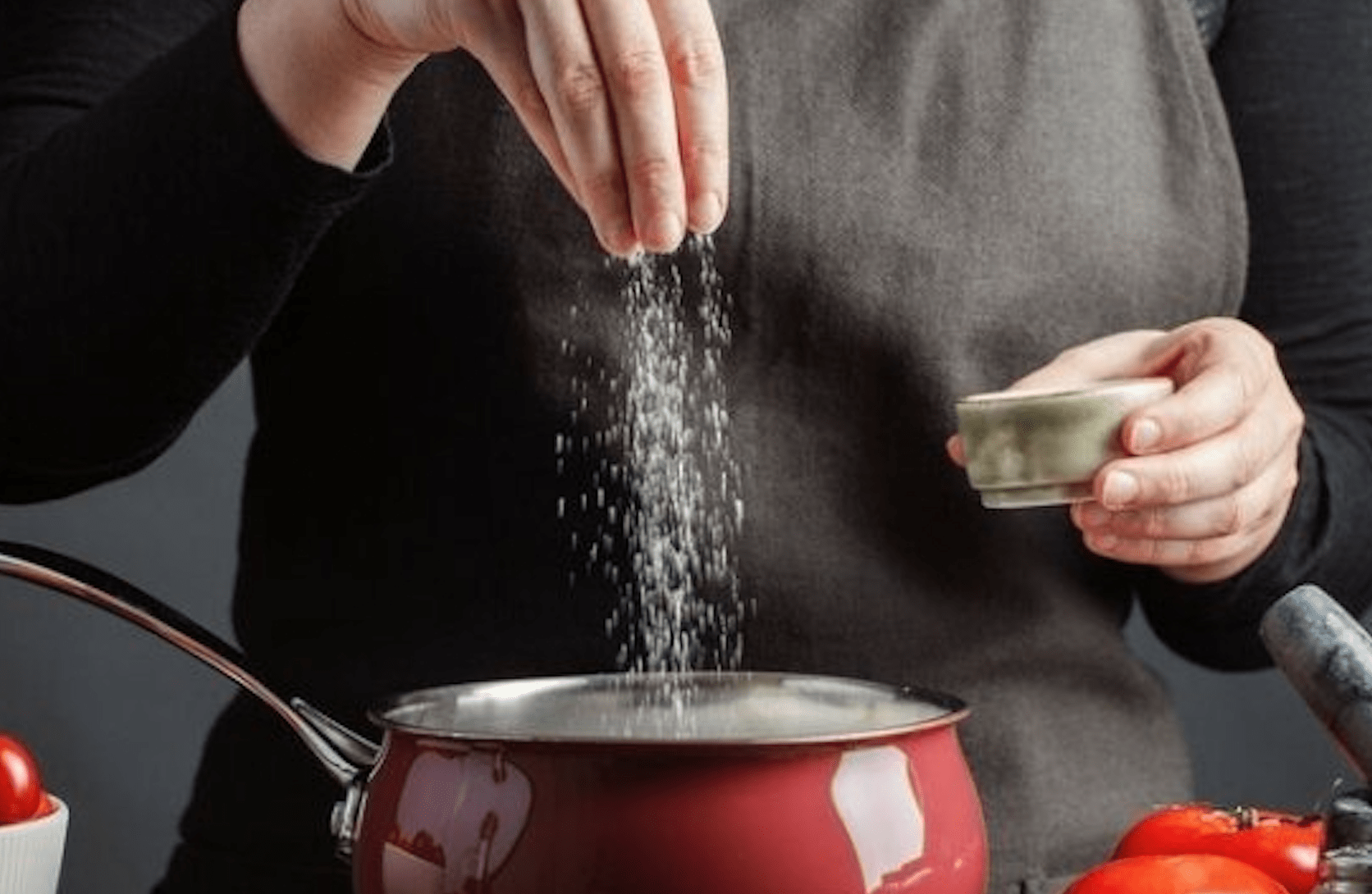
Too much salt can cause Alzheimer’s disease. How does the brain work if you eat a lot of salt?
Eating too much salt could be one of the causes of memory loss that is specific to Alzheimer’s disease, which is one of the most common forms of dementia. A new study shows that excess salt can affect blood flow to the brain and how our brain cells work.
In a study recently published in the journal Cell Reports, scientists explain how excessive salt consumption destroys the brain.
They used special brain scans to examine the hypothalamus, an important brain area that controls hormone balance, metabolism, body functions, and behavior. They found that people who ate a lot of salt had an unusual brain reaction.
When we eat a lot of salt, the brain tries to protect itself by controlling sodium levels in the blood. This causes the body to produce more of a hormone called vasopressin, which helps to keep sodium levels in the blood under control. Dr Javier Stern, a professor of neuroscience at the University of Georgia, explains this is very important.
Previous studies have suggested a possible link between neuronal activity and increased blood pressure. However, the researchers found that the activation of the neurotransmitters that determined the increased production of vasopressin triggered a decrease in blood circulation by narrowing the arteries in the brain.
We were surprised by the results because we had seen that blood vessels get narrower when people eat too much salt. This is often seen in patients with Alzheimer’s disease or after a heart attack or stroke. It’s like having your body always in a state of low oxygen, which slowly destroys brain tissue, the doctor explained.
The study raises important questions about how high blood pressure affects brain health, especially since more than half of cases of high blood pressure are linked to eating too much salt.
Foods that contain the most salt include cold cuts, pickles, canned goods, olives, smoked meats, marinated fish, cereals, bread, ketchup, soy sauce, mayonnaise, various vegetable seasoning mixes, chips, peanuts, popcorn, packet soups and multiple cheeses.
The recommended daily amount of salt is approximately 5 grams or one teaspoon. But if you’re over 50 or already have high blood pressure, congestive heart failure, chronic kidney disease, diabetes, or osteoporosis, you should limit your salt intake to just 1.5 – 2 grams/day.
👉 Are You A WhatsApp User? Do You Want To Get Our News As Fast As Possible On Daily Basis? 👉 Click This Link To Join WhatsApp Channel Now.
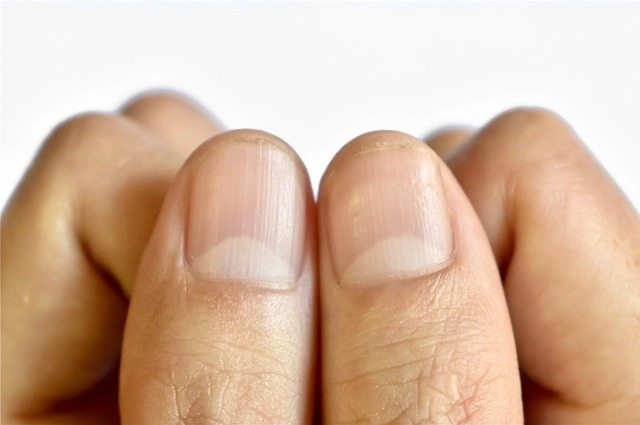
You can tell a lot about a person’s health by looking at their nails. It is a good sign if the lines on your nails are clear and easy to see. If the shape or color of the lunulae changes, it could indicate an internal health problem. The most important thing to look at is the organic semi-circular shape of this part of the nail.
Changes to the nail lunulae, such as a reduction in size, poor definition, unevenness, or color change, may indicate various health problems, including blood clotting disorders, liver disease, stomach disease, intestinal disease, hormonal imbalances, gynecological abnormalities, respiratory issues, nutritional and vitamin deficiencies, and circulatory problems.
By looking at changes in the color of the nail lunulae, we can get crucial medical information. Here are some of the things that can be highlighted:
If the lunulae are only slightly lighter than the skin, this indicates a healthy condition. However, white spots on the nails may signal heart problems. Yellow spots may indicate problems with blood flow to the brain, especially if accompanied by symptoms such as severe headaches or dizziness. Gray nails often indicate physical exhaustion or issues with nutrient absorption. Blue lunulae on the nails may indicate problems with copper metabolism.
Blue or purple hues indicate a lack of oxygen in the blood, typical for people with breathing problems or who snore at night. Red lunulae may indicate severe conditions, including heart failure, cirrhosis of the liver, or psoriasis, requiring careful analysis of accompanying symptoms. Black areas at the base of the nail may occur due to trauma, bruises, burns, or even gas poisoning.
No lunulae on nails: reasons there is nothing to worry about if you or your child do not have lunulae on their nails:
Modern doctors say that the absence or lack of lunulae may indicate problems with blood circulation;
However, it is impossible to judge the state of health solely by the appearance of the nails since an accurate diagnosis can only be made after a thorough examination by a qualified doctor;
The absence of lunulae on the nails does not always indicate diseases; sometimes, it is just part of the unique structure of the nail plate in certain people.
So, you should not try to treat yourself by taking medicine because you do not have the little lines on your nails. This does not always mean that you are unwell.
What do perfect nails look like?
The best nails are pink, firm, curved, and shiny, with a clear white area at the base (the lunula). If you have these signs, it means you have a lot of energy and are very healthy. The brightness and clarity of the lunula are a sign of the person’s energy. Having 8 to 10 of these on the hands is considered ideal. Our bodies are designed to work in harmony, and they can send signals about problems with specific organs through changes in the nails’ appearance, including the lunulae’s color and size. If you notice any strange changes to your nails, you should get medical help straight away. So, if you notice any unusual changes in your nails, don’t ignore them.
👉 Are You A WhatsApp User? Do You Want To Get Our News As Fast As Possible On Daily Basis? 👉 Click This Link To Join WhatsApp Channel Now.

 Breaking News8 months ago
World’s Youngest Undergraduate is Nigerian JOSHUA BECKFORD, gained admission in Oxford University at the age of Six years

 Breaking News6 months ago
JUST IN: Finally United States President Donald Trump Revokes 80,000 Visas of Nigerians, Other Foreign Nationals

 Breaking News8 months ago
BREAKING NEWS: Woman in Trouble For Burning 7-year-old Girl’s Private Parts With Hot Knife

 Breaking News8 months ago
BREAKING NEWS: FULL DETAILS! Top Secret Leaked Why SIM Fubara Fails to Return to Government House After Reinstatement

 Breaking News6 months ago
BREAKING NEWS: Nigerian Billionaire Lawmaker Ned Nwoko, Orders Arrest of His Mother In Law Regina Daniels’ Mother, Rita

 Breaking News8 months ago
BREAKING NEWS: Federal Government Releases Proof of N25,000 Cash Transfers to 71 Million Nigerians in 8.1 Million Households

 Breaking News8 months ago
BREAKING NEWS: Another Rivers Saga: Just Reinstated Fubara Told to Sack All Sole Administrators Appointees, Seek Tinubu’s Assurance Over Impeachment

 Breaking News8 months ago
BREAKING NEWS: Finally Department of State Services (DSS) summons Sowore over post on Tinubu