
Breaking News
Nasir El Rufai, Ayodele and Nigeria blames the Igbo because the truth terrifies them

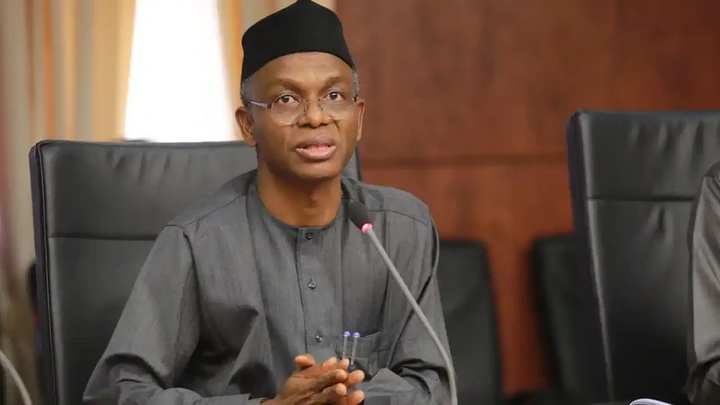
THERE is a rhythm in the Nigerian public space that never changes. Whenever the nation begins to collapse under the weight of its own failures, someone emerges from a pulpit or a podium searching for a convenient scapegoat. Today it is the rumour around Primate Ayodele. Tomorrow it is a commentator in Beijing. The day after, it is a presidential adviser performing linguistic acrobatics on television. And now, even Nasir El Rufai has joined the procession. The names shift like shadows on a cracked wall, yet the target remains unchanged. The Igbo.
This is not analysis. It is Nigeria’s oldest political reflex. A habit older than our democracy. A familiar escape hatch for those who cannot bear to face the truth of this country’s decay.
Before we allow this recycled blame to replace thinking, we must invite history into the room. Not the gentle, edited history that drips from politicians. The real one. The one carved in wounds.
Few peoples on this continent have walked through condensed suffering the way the Igbo did. They survived the pogroms of 1966 when thousands were butchered for the crime of existing. They survived a civil war that buried their children in hunger and grief. They survived the decree that reduced every bank account to twenty pounds, an erasure disguised as economic policy. They survived the silence of a federal government that told them to rebuild a civilisation from rubble without compensation or acknowledgment.
And rebuild they did. Not because Nigeria helped them but because they refused to kneel before despair. Markets rose again from ashes. Industries revived from dust. Towns scarred by war glowed with commerce and invention. Their resilience became so bright it unsettled those who relied on privilege instead of effort.
And there is another truth Nigeria fears to say aloud because it exposes too much. The Igbo stand among the most educated communities in the federation, rivalled only by the Yoruba in the breadth of their learning and achievement. They are also among the most enterprising and industrious populations in West Africa, shaped by a culture where apprenticeship is an institution, where innovation is instinct and where commerce is almost a second language.
Yet in one of the greatest acts of national self harm, this same population is kept far from the Wuthering Heights of Nigerian policy making. The Igbo build the markets that keep the country alive but are denied entry into the chambers where the country decides its destiny. They drive the private economy with their sweat but are locked out of the public institutions that steer the national future. It is Nigeria turning its back on the very people who refuse to let the nation collapse under its own lethargy.
This is not a wound inflicted on the Igbo. They have rebuilt themselves before from nothing but grief and dust. The wound is on Nigeria. A country cannot sideline one of its most educated and most industrious populations without crippling its own chances of rising. If Nigeria ever hopes to escape mediocrity, it is Nigeria that needs the Igbo, not the other way around. The Igbo do not need Nigeria to dream. Nigeria needs the Igbo to finally wake up.
And now, as if on cue, Nasir El Rufai has entered the arena with a fresh coat of old blame. Yesterday, he took to Twitter and published a long essay dressed in the garments of geopolitical wisdom. He invoked Iraq, Libya and Syria. He spoke of Washington’s shadows and congressional narratives. But beneath the global metaphors sits the same old strategy. Turn the nation’s failures into an Igbo conspiracy.
In his telling, Nigeria’s problem is not the mass graves in Plateau. It is not the villages swallowed in Benue. It is not the forests in Kaduna ruled by terror. It is not the kidnapping factories in Zamfara. It is not the unending funerals across the Middle Belt. The problem, he claims, is that IPOB once hired lobbyists in Washington. The problem is that Nnamdi Kanu was convicted. The problem is that American lawmakers see persecution where the Nigerian state insists on denial.
This is not insight. It is rhetorical sleight of hand. A polished deflection crafted to lead the reader away from the blood on Nigerian soil and toward the same scapegoat Nigeria has leaned on for generations.
Rather than confront the truth, he reaches for the same escape route. The Igbo did it.
This is exactly the reflex we saw from Daniel Bwala, who blamed the Igbo for the United States naming Nigeria a Country of Particular Concern. Faced with undeniable massacres, faced with reports too detailed to deny, he chose the familiar shortcut. The Igbo. And he is not alone. A northern commentator in China echoed the same logic, blaming the Igbo instead of addressing the forces that spill blood across the nation.
So how does a people with so little power suddenly become the problem of Nigeria. The accusation collapses the moment you examine the geography of power. Where are the Igbo in the command structure. Not in the office of the National Security Adviser. Not among the Chiefs of Defence Staff. Not among the Inspectors General of Police. For more than fifty years they have been the least represented major ethnic group in Nigeria’s highest security architecture. A people locked out of the control room cannot be blamed for the direction of the ship.
Where are they in the presidency since nineteen ninety nine. Every region has tasted executive power except the South East. They do not command the armed forces. They do not supervise defence spending. They do not control the ministries that direct the nation’s fate. How then can a people who hold so little in the engine room of the federation be blamed for the malfunction of the machine.
Even in the economy the accusation fails. Yes, they excel in trade. Yes, their entrepreneurs turn empty land into markets. But the national economy revolves around oil, ports, customs, foreign exchange and federal contracts. None are in Igbo hands. Their success is a triumph of effort, not privilege.
Nigeria does not lack problems. Nigeria lacks honesty. The Igbo are not the obstacle blocking the country from greatness. They are the evidence of what Nigerians can achieve when discipline replaces entitlement and when work replaces inherited arrogance. To accuse such a people of being the nation’s problem is not only dishonest. It is a confession of fear. It is the cry of a leadership terrified of its own reflection.
Blame the Igbo if you must. It will not change a single thing. Not the graves. Not the hunger. Not the fear on the highways. Blame is the opium of a dying republic. But truth is stubborn. Nigeria will rise only when it stops fearing its best minds and starts confronting its worst leaders.
Josephine Akioyamen writes from Edo State.
👉 Are You A WhatsApp User? Do You Want To Get Our News As Fast As Possible On Daily Basis? 👉 Click This Link To Join WhatsApp Channel Now.
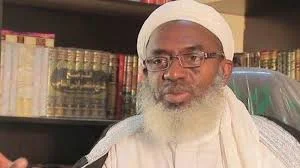
Kaduna-based Islamic cleric Ahmad Gumi has alleged that American intelligence agencies are behind the activities of bandits and Boko Haram terrorists in Nigeria. Gumi made the claim in a Facebook post on Saturday while reacting to comments by Mike Arnold, who had spoken about the alleged persecution of Christians in Nigeria.
Gumi accused Arnold of promoting a false narrative about Christian killings while ignoring the insecurity affecting parts of northern Nigeria. He wrote that bandits and Boko Haram are “allegedly sponsored by the same American intelligence.” Gumi added: “One of the things Islam abhors is lies and liars.”
Key Points:
Gumi’s allegation could strain Nigeria-US counterterrorism cooperation if taken seriously.
The cleric’s claims may fuel anti-American sentiment among Nigerians already frustrated with insecurity.
Families of victims of banditry and Boko Haram attacks may feel their suffering is being used for political narratives.
The US government has not responded to Gumi’s allegations at the time of this report.
The timing of this claim, amid ongoing counterterrorism talks between Nigerian and US officials, is highly sensitive.
Sources: Daily Post Nigeria
👉 Are You A WhatsApp User? Do You Want To Get Our News As Fast As Possible On Daily Basis? 👉 Click This Link To Join WhatsApp Channel Now.
Breaking News
Airstrike Kills Several Civilians in Niger Village During Military Pursuit of Terrorists
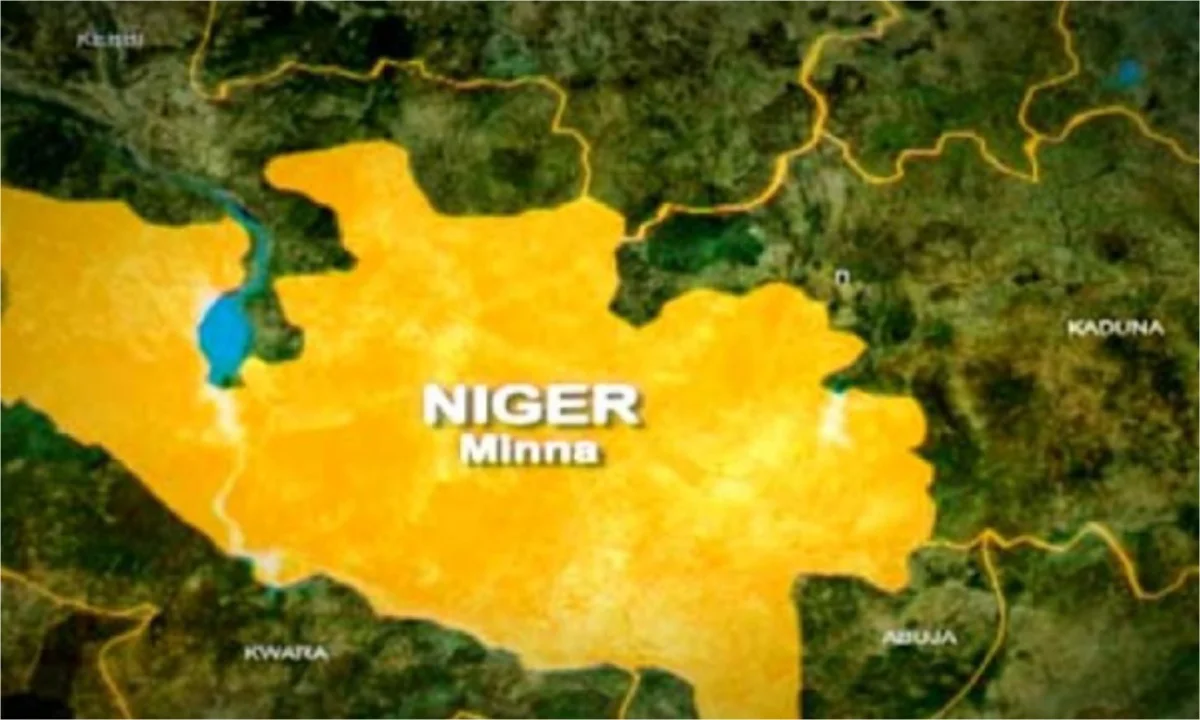
Several civilians were reportedly killed after a military airstrike hit Guradnayi village near Kusasu in Shiroro Local Government Area of Niger State early on Sunday morning.
According to Premium Times, residents said the attack happened around 5 am and followed the movement of armed terrorists on motorcycles through the area.
A resident of Kusasu said at least 12 people died in the house of one of his relatives in Guradnayi, including his cousin’s son. Residents claimed military aircraft were pursuing terrorists before the bombs were dropped. The Nigerian Air Force has not yet released an official statement.
Key Points:
Families in rural Niger State have lost multiple relatives in a single night of bombing.
Accidental airstrikes continue to kill civilians instead of the terrorists they target.
Residents fleeing from terrorists were reportedly among those killed in their homes.
Communities now face the impossible choice: stay and face bandits, or flee and face bombs.
Timing of this incident, without an official statement, leaves families in agonising uncertainty.
Sources : Daily Post Nigeria
👉 Are You A WhatsApp User? Do You Want To Get Our News As Fast As Possible On Daily Basis? 👉 Click This Link To Join WhatsApp Channel Now.
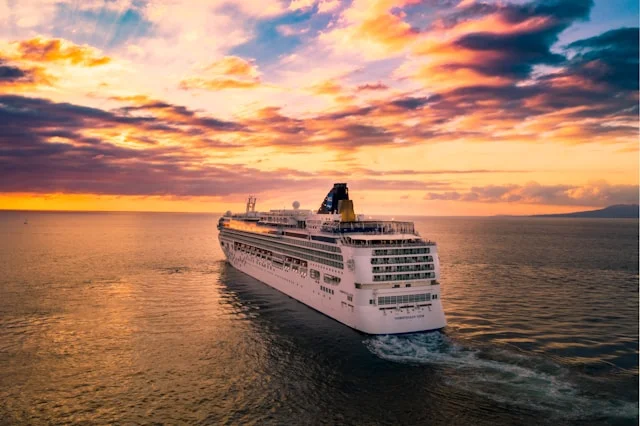
A cruise ship where hantavirus cases were detected has arrived in Spain’s Canary Islands. The vessel docked after reports emerged of passengers infected with the rare and potentially deadly rodent-borne virus. Local health authorities are expected to implement quarantine and testing protocols for affected passengers and crew.
The situation has raised concerns about the spread of infectious diseases on international cruise liners. Further details on the number of cases and the severity of infections are awaited from Spanish health officials.
Key Points:
Passengers and crew on board face potential quarantine and health monitoring.
The cruise industry may face renewed scrutiny over infectious disease protocols.
Tourists planning cruises could reconsider bookings following the outbreak.
Local health systems in the Canary Islands must prepare for possible hospital admissions.
The timing of the arrival, peak tourist season, could impact regional tourism.
Watch for updates from Spanish health authorities on the number of confirmed cases and any quarantine measures implemented.
Sources: AFP
👉 Are You A WhatsApp User? Do You Want To Get Our News As Fast As Possible On Daily Basis? 👉 Click This Link To Join WhatsApp Channel Now.

 Breaking News8 months ago
World’s Youngest Undergraduate is Nigerian JOSHUA BECKFORD, gained admission in Oxford University at the age of Six years
 Breaking News6 months ago
JUST IN: Finally United States President Donald Trump Revokes 80,000 Visas of Nigerians, Other Foreign Nationals

 Breaking News8 months ago
BREAKING NEWS: Woman in Trouble For Burning 7-year-old Girl’s Private Parts With Hot Knife
 Breaking News8 months ago
BREAKING NEWS: FULL DETAILS! Top Secret Leaked Why SIM Fubara Fails to Return to Government House After Reinstatement

 Breaking News6 months ago
BREAKING NEWS: Nigerian Billionaire Lawmaker Ned Nwoko, Orders Arrest of His Mother In Law Regina Daniels’ Mother, Rita
 Breaking News8 months ago
BREAKING NEWS: Federal Government Releases Proof of N25,000 Cash Transfers to 71 Million Nigerians in 8.1 Million Households
 Breaking News8 months ago
BREAKING NEWS: Another Rivers Saga: Just Reinstated Fubara Told to Sack All Sole Administrators Appointees, Seek Tinubu’s Assurance Over Impeachment
 Breaking News8 months ago
BREAKING NEWS: Finally Department of State Services (DSS) summons Sowore over post on Tinubu