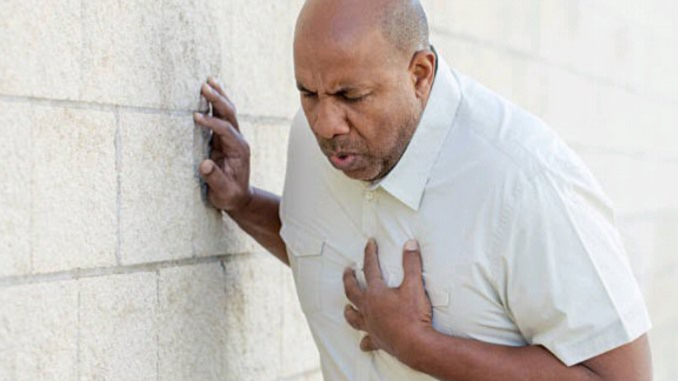
Signs That Indicate Your Heart Is Not Working Properly
A condition known as cardiac failure develops when the muscle of the heart is damaged or when it loses its capacity to pump blood effectively. It is possible that a genetic condition, untreated chronic hypertension, or abnormalities in the heart’s valves all contributed to the condition.
Regardless of the cause, the failing heart is no longer able to supply the body with the oxygen-rich blood that is necessary for it to carry out its functions.
The following signs and symptoms, as outlined by the Mayo Clinic, are considered to be an indication of inadequate cardiac function.
1. Difficulty in taking deep breaths.
One of the most common symptoms is shortness of breath, which can occur during any type of physical activity, even when resting or even while sleeping. Additionally, it materializes out of nowhere and prevents one from lying down in a flat position. People might therefore need assistance with their upper bodies while they sleep, and when they wake up, they might feel anxious, exhausted, and agitated.
2. a persistent hacking cough
Coughing or wheezing that does not go away and produces mucus that is either pink or white with blood stains is an additional sign of severe heart failure. This condition arises as a result of the buildup of fluid in the lungs, which is the primary cause of the condition.
3. Excessive fatigue
Exhaustion and fatigue can make it difficult to carry out one’s daily responsibilities in an effective manner, even if the individual does not engage in any form of physical activity.
This symptom presents itself when the heart is unable to pump sufficient blood to satisfy the requirements of the body. The body will then reroute blood flow away from organs that are not as vital, like the muscles in the limbs, and towards organs that are more important, like the heart and the brain.
4. Leg pain.
Inadequate blood flow in the arteries of the legs is one of the symptoms that may point to dysfunction in the arteries of the heart. It is important to have your legs checked for peripheral artery disease if you experience leg cramps, have difficulty walking for long distances, or feel discomfort in your legs even when you are not moving.
👉 Are You A WhatsApp User? Do You Want To Get Our News As Fast As Possible On Daily Basis? 👉 Click This Link To Join WhatsApp Channel Now.