
 3ppleloaded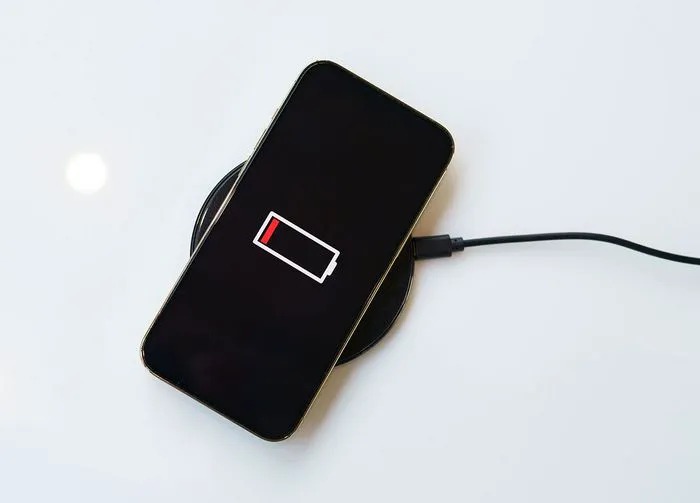
Technology specialists have cautioned smartphone users against the common habit of allowing devices to drain completely to 0% before charging them back to 100%, noting that such practices may shorten battery lifespan. The guidance is based on how modern lithium-ion batteries are designed to function and the impact of extreme charge levels on long-term performance.
Most smartphones today rely on lithium-ion battery technology, which is engineered to operate efficiently within a controlled charge range rather than full depletion and full recharge cycles. According to experts, consistently allowing a phone to reach 0% places significant strain on the internal battery cells. This condition accelerates chemical ageing, which gradually reduces the battery’s ability to hold charge over time.
Similarly, charging a device repeatedly to 100% and keeping it at full capacity for extended periods can also contribute to battery stress. When a battery remains at maximum charge, it experiences additional pressure that may increase wear on its internal structure. Over time, these combined habits can lead to reduced battery capacity, meaning the device may discharge faster and require more frequent charging.
Industry recommendations suggest that maintaining battery levels within a moderate range can help preserve overall health. Experts commonly advise users to keep their devices charged between approximately 20% and 80% where possible. This range is considered optimal because it reduces both deep discharge and full-charge stress, while also helping to limit heat generation during charging cycles.
Heat management is another important factor highlighted by specialists. Excessive heat, whether generated during charging or caused by environmental conditions, can significantly impact battery performance. Users are encouraged to avoid charging devices in high-temperature environments or under insulating surfaces such as pillows or blankets, which can trap heat and increase wear on the battery.
Additional recommendations include charging the device before it drops below 20% to avoid deep discharge cycles and unplugging it before reaching a full 100% charge when practical. While fast charging technology offers convenience, experts note that frequent use may generate additional heat, which can contribute to gradual battery degradation.
Many modern smartphones now include built-in battery optimization features designed to manage charging limits automatically. Some systems are capable of pausing or slowing charging around the 80% mark to reduce long-term strain on the battery.
Overall, adopting improved charging habits is widely presented by technology analysts as a practical way to extend battery lifespan, maintain consistent device performance, and reduce the need for early battery replacement.