
 3ppleloaded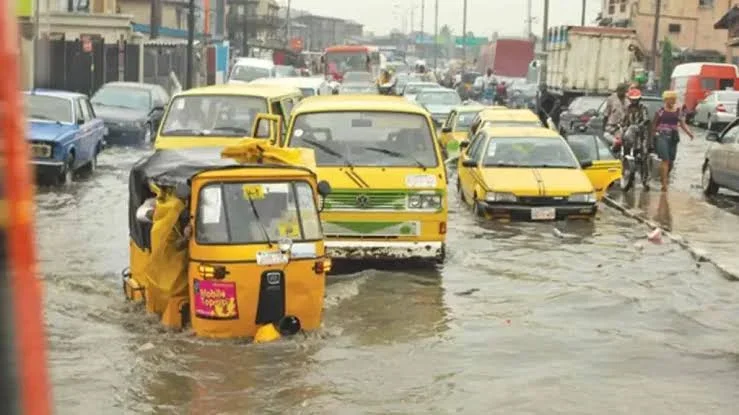
Heavy rains on June 28 caused widespread flooding across Lagos neighborhoods including Gbagada, Mushin, Oshodi, and Lekki, with some residents resorting to boats for errands, according to reports on X. Officials attributed the flooding to intense rainfall above seasonal norms, blocked drains from waste, and infrastructure gaps.
Emergency teams helped water levels recede by Monday. Opposition figure Gbadebo Rhodes-Vivour pushed for better waste management and sponge city measures. No deaths were reported, but more rain threatens.
Critics linked the floods to the Lagos-Calabar coastal road project, with Minister Dave Umahi facing backlash for dismissing environmental impact assessment concerns.
Key Points:
Residents face property damage and daily disruption from flooding
Weak drainage and waste management worsen seasonal rainfall impacts
Coastal road project may have blocked major drainage channels
Political accountability questions arise over infrastructure planning
Climate vulnerability threatens Lagos’s long-term habitability
With more rain forecast, Lagos authorities face urgent pressure to clear drains and address infrastructure failures before the next downpour.
Sources: X (formerly Twitter) posts.
Wait oo, na yesterday Lagos flood dey move vehicle this way?? pic.twitter.com/nZlUWtjEBP
— CHUKS 🍥 (@ChuksEricE) June 29, 2026
This is the Maryland Bridge going to Ojota.
Please tag Tokunbo wahab pic.twitter.com/gxmlTs52l1
— Politrician (@Franeb) June 28, 2026